Epic Japan Travel 2025: Culture, Food & Cherry Blossoms
The Ultimate Japan Travel Guide: Itineraries, Tips & Unforgettable Experiences
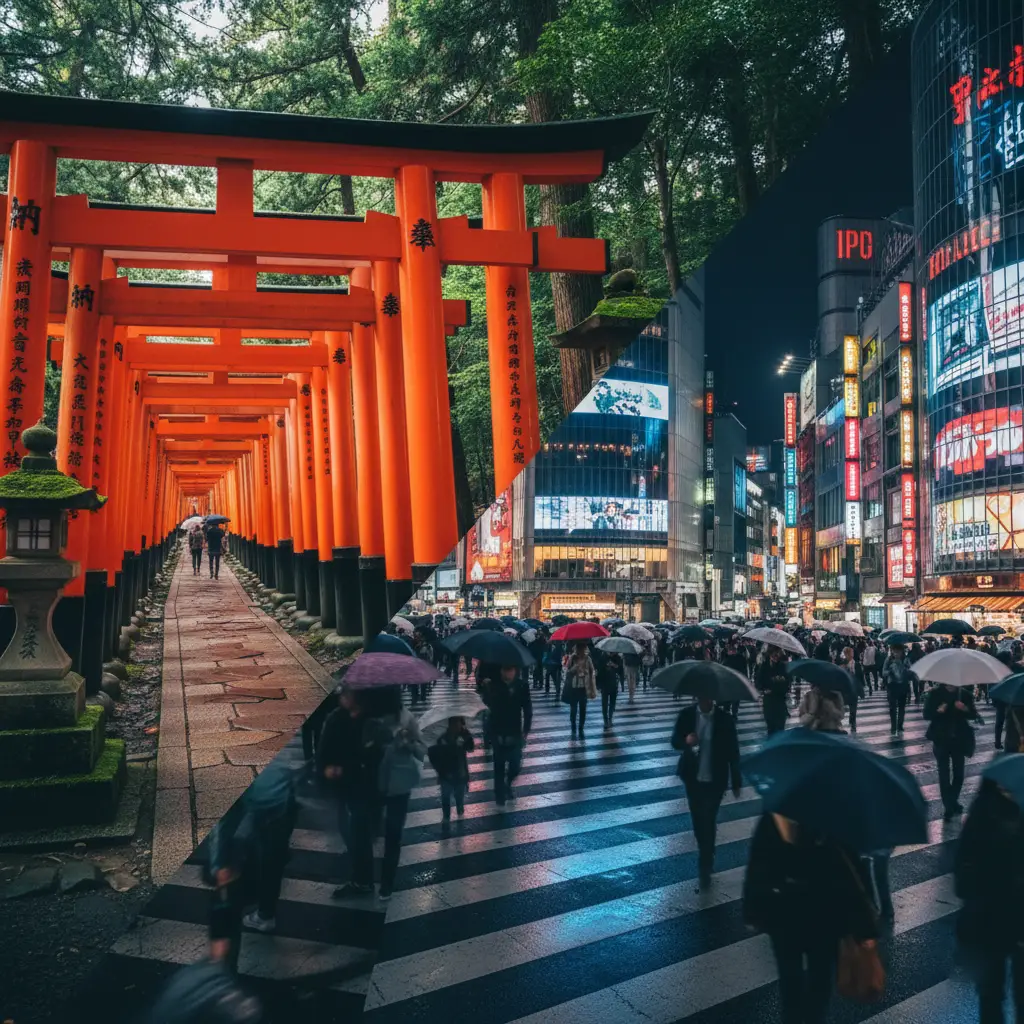
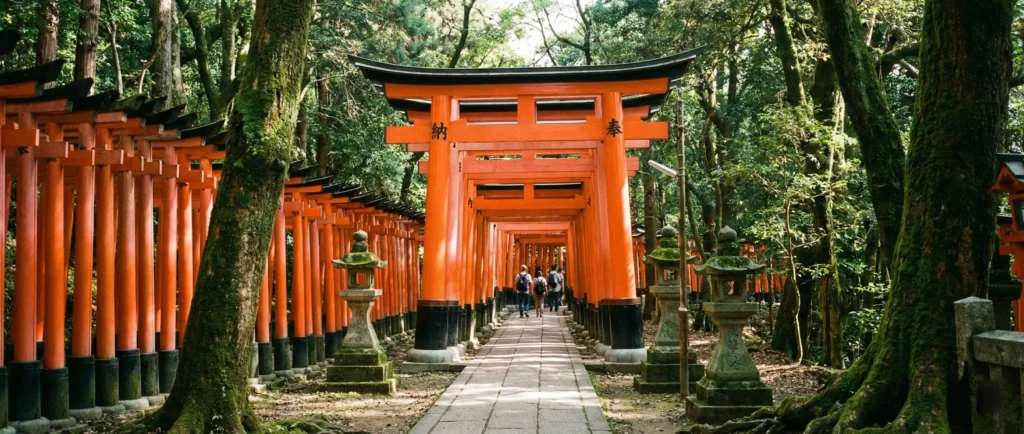
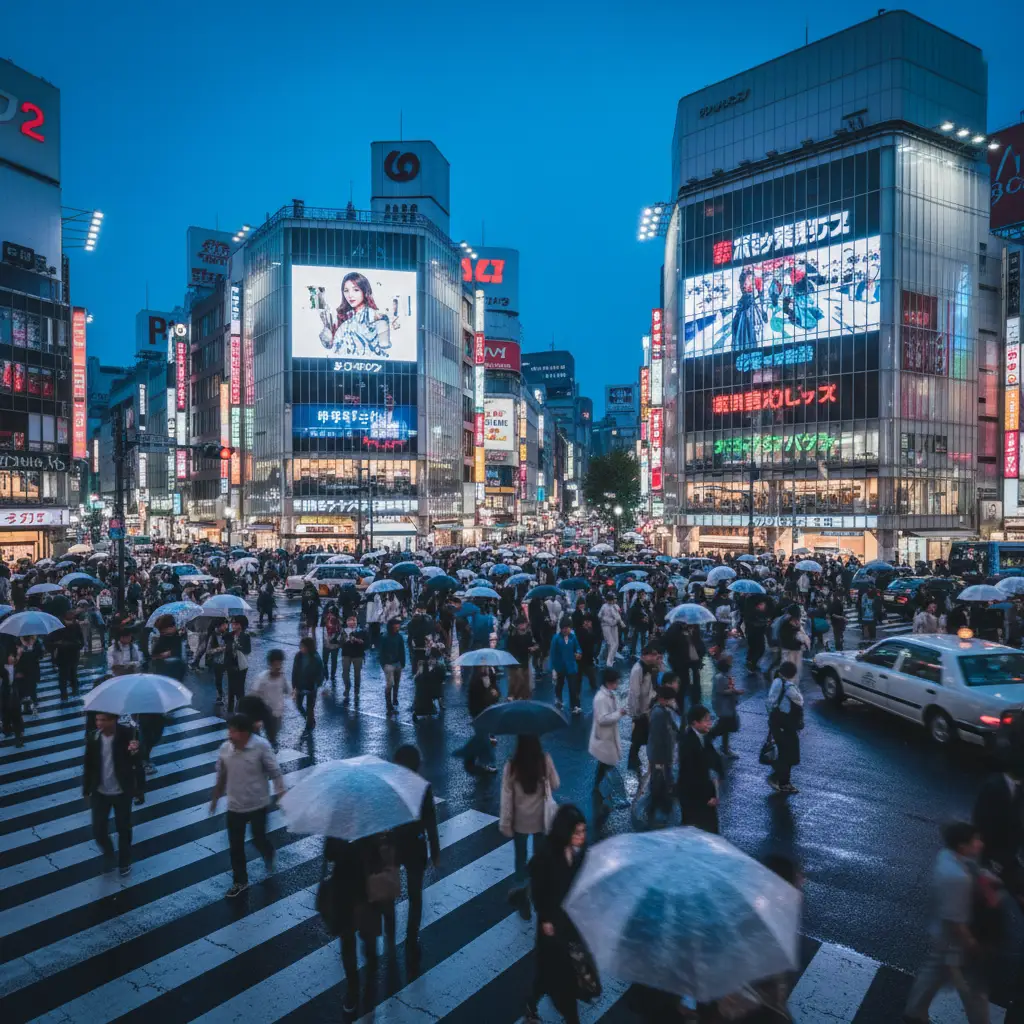
Planning your Japan travel adventure? Imagine this: standing beneath a thousand crimson torii gates, the air thick with incense and centuries of prayer. Minutes later, you’re surrounded by shimmering skyscrapers, crossing the world’s busiest intersection as neon signs pulse overhead. This isn’t a scene from a movie—it’s just a typical afternoon in Japan.
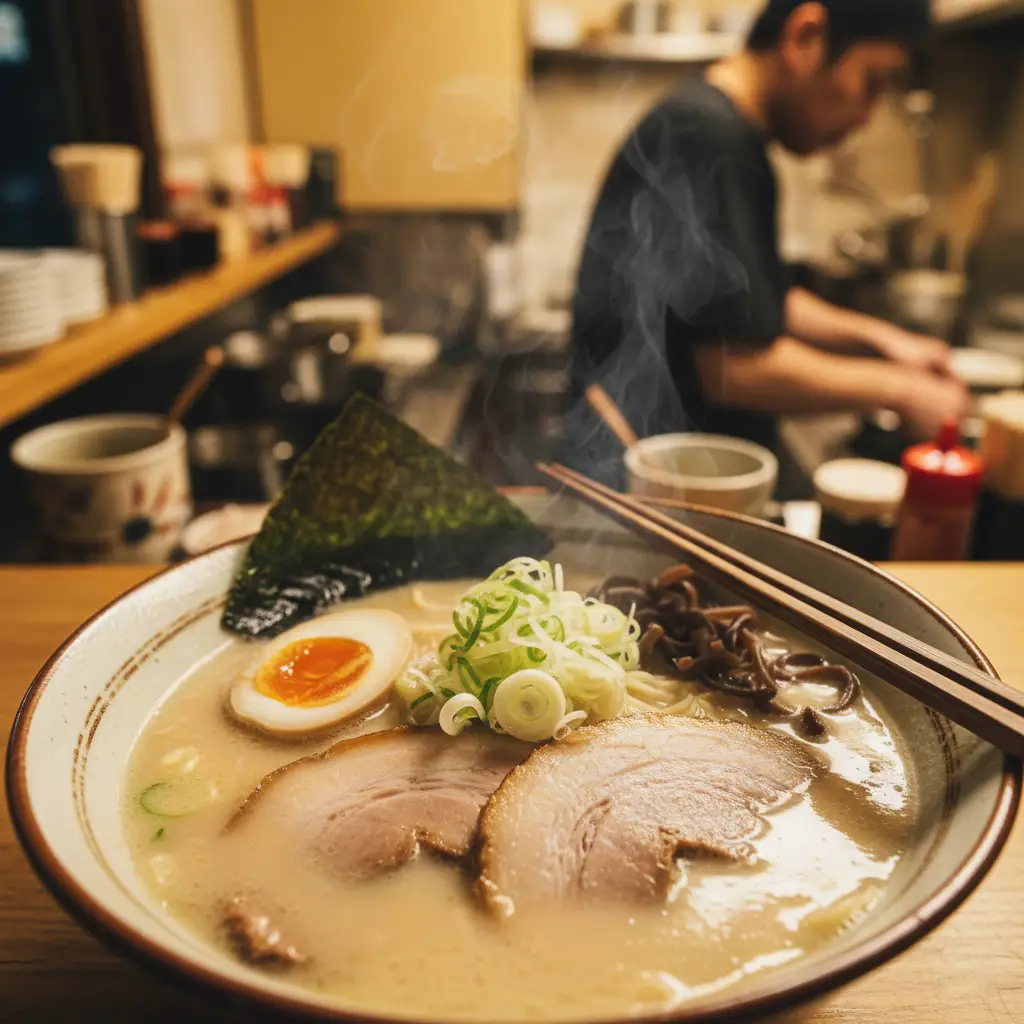
I’ll never forget my first real bowl of ramen in a tiny Tokyo alleyway. Sitting shoulder-to-shoulder with salarymen, the steam fogging my glasses as I slurped rich, pork-bone broth, I realized Japan doesn’t just show you its culture—it lets you taste it, wear it, and live it, one perfect, mindful moment at a time.
Japan is a beautiful paradox. It’s where bullet trains streak past ancient castles, where silent tea ceremonies exist alongside buzzing arcades, and where every detail—from the arrangement of food to the angle of a garden rock—is a form of art. Ready to experience it for yourself? Start planning your journey and book flights and hotels at Let’s Go Sarah.
Table of Contents
Why Japan Travel Delivers the Unforgettable
1. A Culinary Universe That Will Change Your Standards
Japanese food is a pilgrimage in itself. It’s not just sushi (though having melt-in-your-mouth otoro at Tsukiji is life-changing). It’s:

- Ramen: Not instant noodles, but a deeply personal quest for your perfect bowl—shoyu, tonkotsu, or miso.
- Izakaya Culture: The heart of Japanese social life, where you share small plates like yakitori and edamame over cold beers.
- Kaiseki: A multi-course, seasonal feast that is as much philosophy as it is food.
- Convenience Store Revelations: Where a 7-Eleven onigiri (rice ball) can be a perfectly crafted, delicious masterpiece.
2. The Seamless Blend of Chaos and Calm
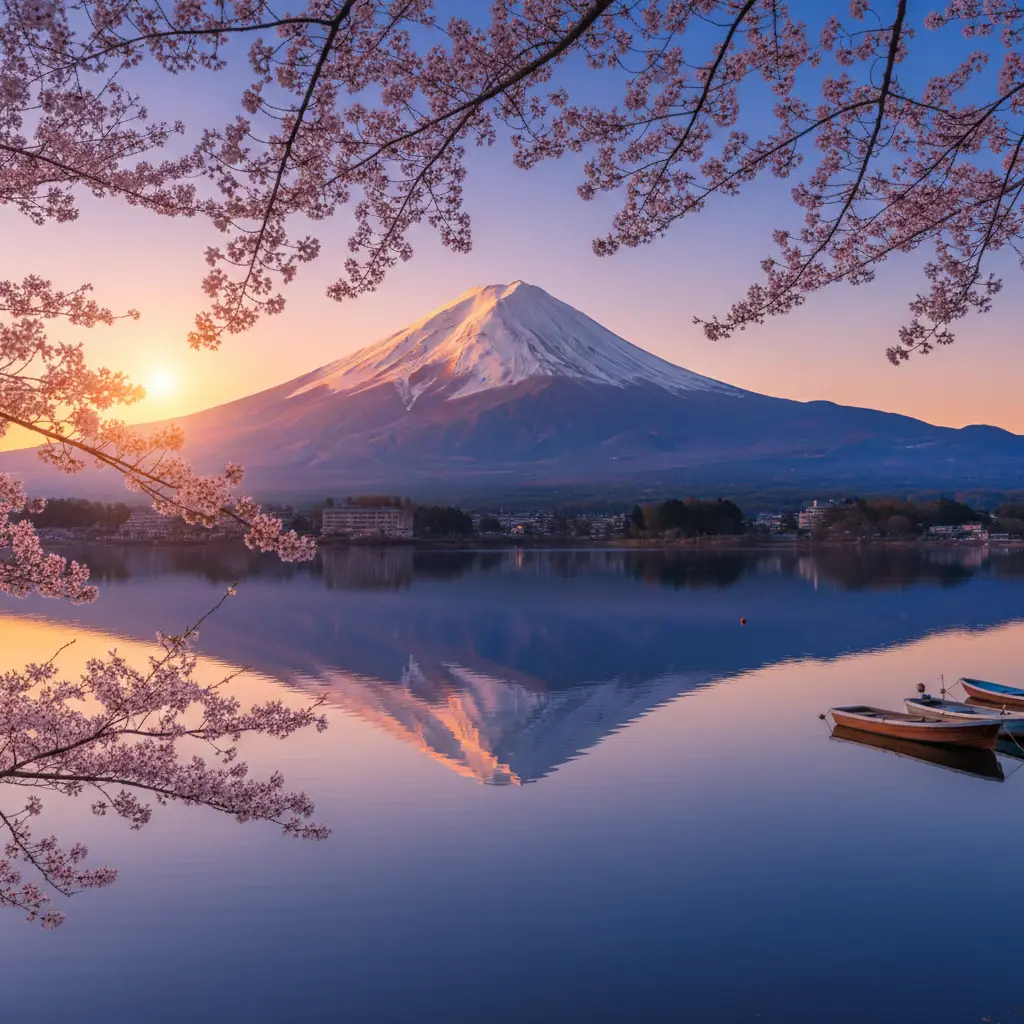
Japan offers the thrilling energy of Tokyo’s Shibuya Crossing and Akihabara’s electric town, then transports you to the profound peace of a Zen garden in Kyoto or a misty forest hike near Mount Fuji. This balance is Japan’s true magic.
3. Impeccable Service and Safety
The famous omotenashi (selfless hospitality) means you’ll experience incredible kindness and efficiency. Japan is also one of the world’s safest countries, where lost wallets are returned and walking alone at night feels secure.
4. Travel That Just Works
From the legendary punctuality of the Shinkansen (bullet train) to the cleanliness and convenience of every service, traveling in Japan is remarkably smooth and efficient, even with a language barrier.
Crafting Your Japan Travel Journey: Key Regions
Japan Travel in Tokyo: The Future-Forward Metropolis
Give Tokyo at least 4 days. It’s not one city but a collection of fascinating neighborhoods, each with its own personality.

- Shibuya & Shinjuku: Feel the pulse of modern Japan with iconic crossings, skyscraper views, and endless entertainment.
- Asakusa & Ueno: Step into old Tokyo at Senso-ji Temple, then explore museums and peaceful Ueno Park.
- Harajuku & Shimokitazawa: Dive into youth fashion culture and then discover vintage shops and indie cafes.
- A Food Tour is Essential: From Tsukiji Outer Market to tiny izakayas in Golden Gai, a guided tour unlocks culinary secrets you’d easily miss.
Japan Travel in Kyoto: The Soul of Traditional Japan
If Tokyo is the brain, Kyoto is the heart. Spend at least 3 days here.
- The Iconic Sights: The golden glow of Kinkaku-ji (Golden Pavilion), the thousands of torii gates at Fushimi Inari (go early!), and the serene zen garden of Ryoan-ji.
- Geisha Districts: Wander the preserved streets of Gion and Pontocho at dusk, where you might spot a geiko (geisha) shuffling to an appointment.
- Arashiyama: Walk through the iconic bamboo grove and visit the quirky monkey park on the hill.
Japan Travel in Osaka: The Kitchen of Japan
Brash, friendly, and food-obsessed, Osaka offers a vibrant contrast to Kyoto (just 30 minutes away by train).
- Eat in Dotonbori: This neon-lit canal area is a food lover’s paradise. Try takoyaki (octopus balls), okonomiyaki (savory pancakes), and kushikatsu (skewers).
- Osaka Castle: Explore the imposing reconstruction of this iconic samurai fortress.
Japan Travel in the Japanese Alps & Countryside
Escape the urban energy for stunning nature and traditional villages.

- Hakone: A classic side-trip from Tokyo for onsen (hot spring) baths and (weather-permitting) views of Mount Fuji. Get the Hakone Free Pass for seamless transport.
- Takayama & Shirakawa-go: Step back in time in Takayama’s old town and visit the thatched-roof, UNESCO-listed farmhouses of Shirakawa-go.
- Hiroshima & Miyajima: A profoundly moving and beautiful region. Visit the Peace Memorial Park in Hiroshima, then take a short ferry to Miyajima Island to see the iconic “floating” torii gate of Itsukushima Shrine.
Japan Travel Essentials: Know Before You Go
Getting Around
- The Japan Rail (JR) Pass: Calculate if it’s worth it for you. For extensive long-distance travel, it can save money. You must purchase the exchange order before arriving in Japan. For regional travel, consider smaller passes like the JR Kansai Area Pass.
- IC Cards (Suica/Pasmo): Your travel lifeline. Tap and go on almost all local trains, subways, and buses in major cities. You can even use them at convenience stores and vending machines.
- Google Maps is Your Best Friend: It provides flawless, real-time train schedules, platform numbers, and walking directions.
When to Visit
- Best Overall: Spring (March-May) for cherry blossoms and mild weather. Autumn (October-November) for stunning fall foliage and clear skies.
- Shoulder Seasons: Summer (June-September) can be hot and humid, but features festivals. Winter (December-February) is cold but perfect for onsen and winter sports in Hokkaido.
Money & Costs
Japan is not as expensive as legend suggests, but budgeting is key.
- Budget Traveler: ¥8,000-10,000/day (Hostels, convenience store meals, local trains)
- Mid-Range Comfort: ¥15,000-25,000/day (Business hotels, restaurant meals, Shinkansen travel)
- Cash is Still Important: While cards are accepted in cities, many smaller restaurants, temples, and rural areas are cash-only.
Etiquette & Respect
- Onsens (Hot Springs): Wash thoroughly at the shower station before entering the shared bath. No swimsuits allowed. Tattoos can be frowned upon (look for tattoo-friendly onsens).
- Shoes Off: Always remove shoes when entering homes, ryokans, temples, and some traditional restaurants.
- Quiet & Clean: Speak softly on public transport. Never eat while walking. Carry your trash with you—public bins are scarce.
Your Perfect Japan Travel Itinerary
- The 7-Day Classic (Golden Route): Tokyo (4 days) → Hakone (1 day) → Kyoto (2 days).
- The 10-Day Explorer: Tokyo (4 days) → Hakone (1 day) → Kyoto (3 days) → Osaka/Nara (2 days).
- The 14-Day Deep Dive: Tokyo (4) → Hakone (1) → Kyoto (3) → Hiroshima/Miyajima (2) → Osaka (2) → Takayama/Shirakawa-go (2).
Turn these plans into reality by booking your flights and accommodation bundles on Let’s Go Sarah.
Japan Travel Packing List: The Essentials
- Comfortable Shoes: You will walk 20,000+ steps daily.
- Cash and Coin Purse: Japan uses coins heavily (up to ¥500).
- Portable WiFi Router (Pocket WiFi): Rent one for seamless internet access everywhere.
- A Small Day Bag: For carrying your shoes-off essentials (slippers, socks).
- An App for Translation: Like Google Translate (the camera function is magic for menus).
Your Japanese Adventure Awaits
Japan might feel unfamiliar at first—the language, the rules, the silent subway cars. But lean into the difference. Bow back when greeted with a crisp “irasshaimase!” (welcome!). Soak in an onsen until your fingers prune. Get lost in a narrow alleyway and find your new favorite ramen shop.
It’s a country that rewards curiosity and respects intention. So take a deep breath, step into the flow, and let Japan reveal its layers to you. Ready to begin? Find flight deals and start your itinerary at Let’s Go Sarah.
Japan Travel FAQs
Citizens of many countries (including the US, UK, Canada, Australia, and EU nations) receive a 90-day tourist visa on arrival. Always check official resources like the Japanese Ministry of Foreign Affairs for your nationality.
Extremely safe. It’s one of the best destinations for solo travel. Use normal precautions, and you’ll find people are often helpful if you look lost.
Vegetarianism and veganism are growing but still challenging. Many broths (like dashi) contain fish. Learn to say your restriction clearly: “Watashi wa bejitarian desu” (I am vegetarian). Seek out specialist restaurants, especially in Kyoto. HappyCow is a great resource.
In major cities and tourist areas, basic English is common at transport hubs and hotels. Signs are often in English. In rural areas, it’s minimal. Learning a few phrases (“Arigatou gozaimasu” – thank you, “Sumimasen” – excuse me) goes a long way.
It depends on your itinerary. If you’re doing the classic Tokyo-Kyoto-Hiroshima round-trip, it’s usually worth it. If you’re staying in one region (e.g., just Kansai), it is not. Use a JR Pass Calculator to be sure.