
Captivating Tangier: The Ultimate Guide to Morocco’s Gateway
My first memory of Tangier isn’t a sight, but a sound. Stepping off the ferry from Spain, I was greeted by a symphony: the deep blast of a ship’s horn, the rapid-fire French and Arabic of porters, and the call to prayer echoing from the hillside medina. This was not a quiet Moroccan town; it was a bustling, energetic gateway. For centuries, Tangier has been a crossroads where Africa meets Europe, tradition shakes hands with modernity, and every alleyway holds a story. I came for a short visit and stayed for the layers—the blue-and-white Kasbah, the legendary cafes, the wind-swept Atlantic cliffs.
This Tangier travel guide will help you peel back those layers and discover why it is the perfect, captivating introduction to Morocco.
Table of Contents
Why Visit Tangier? More Than Just a Port
Many travelers rush through Tangier, but those who stay discover a city with a unique personality. To understand why Tangier travel is so worthwhile, consider these compelling reasons.
- A Living History Book: Tangier’s past is incredibly rich. It was a strategic prize for Phoenicians, Romans, and Arabs. In the 20th century, it was an “International Zone” governed by multiple foreign powers. This created a unique, cosmopolitan culture that you can still feel today in its architecture and eclectic atmosphere.
- The Perfectly-Sized Medina: Compared to the overwhelming medinas of Fez or Marrakech, Tangier’s old city is compact, walkable, and full of charm. You can spend a morning getting authentically lost in its steep, winding lanes of the Kasbah, popping into artisan shops, and stumbling upon quiet squares without the intense pressure of larger tourist hubs.
- A Cultural & Literary Legend: In the mid-20th century, Tangier became a haven for artists, writers, and musicians seeking freedom and inspiration. Beat Generation icons like Jack Kerouac and William S. Burroughs lived here, and famous musicians like The Rolling Stones visited. This bohemian legacy lives on in its historic hotels and cafes.
- Stunning Natural Beauty at the Continent’s Edge: Tangier sits on the Strait of Gibraltar, where the Atlantic Ocean meets the Mediterranean Sea. A short trip takes you to dramatic sites like the Caves of Hercules and Cap Spartel, the northwestern tip of Africa, where you can watch powerful waves crash against the cliffs.
Crafting Your Tangier Travel Itinerary: Neighborhoods & Key Sights
To understand Tangier and craft your perfect Tangier travel itinerary, explore its four main districts.
1. The Kasbah & Medina (The Historic Heart)
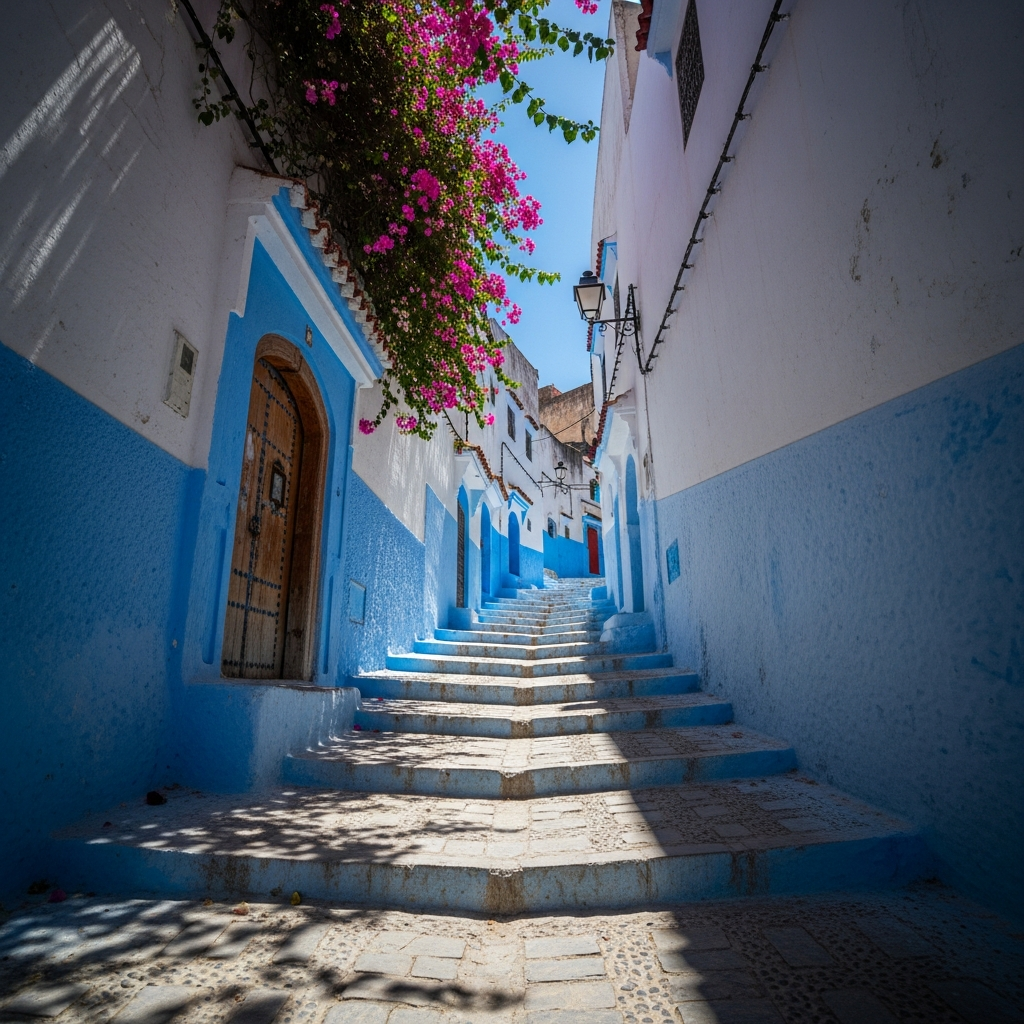
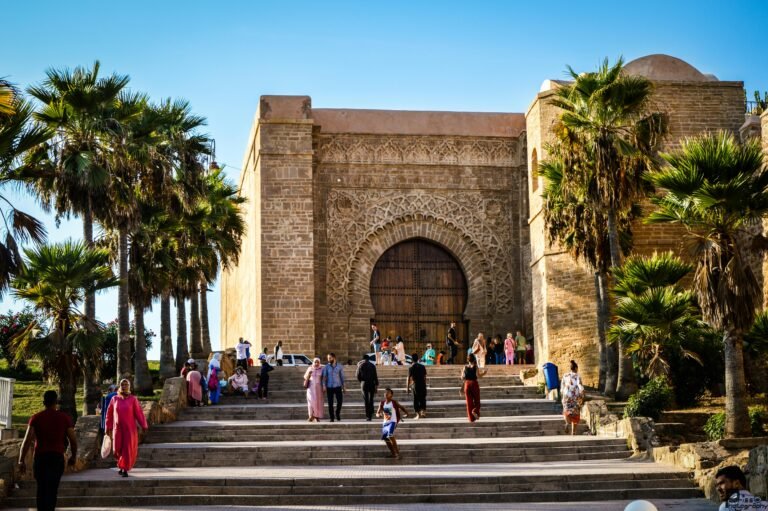
Start your journey at the Kasbah, the fortified highest point of the old city. Enter through the grand Bab Kasbah gate into a maze of blue and white walls.
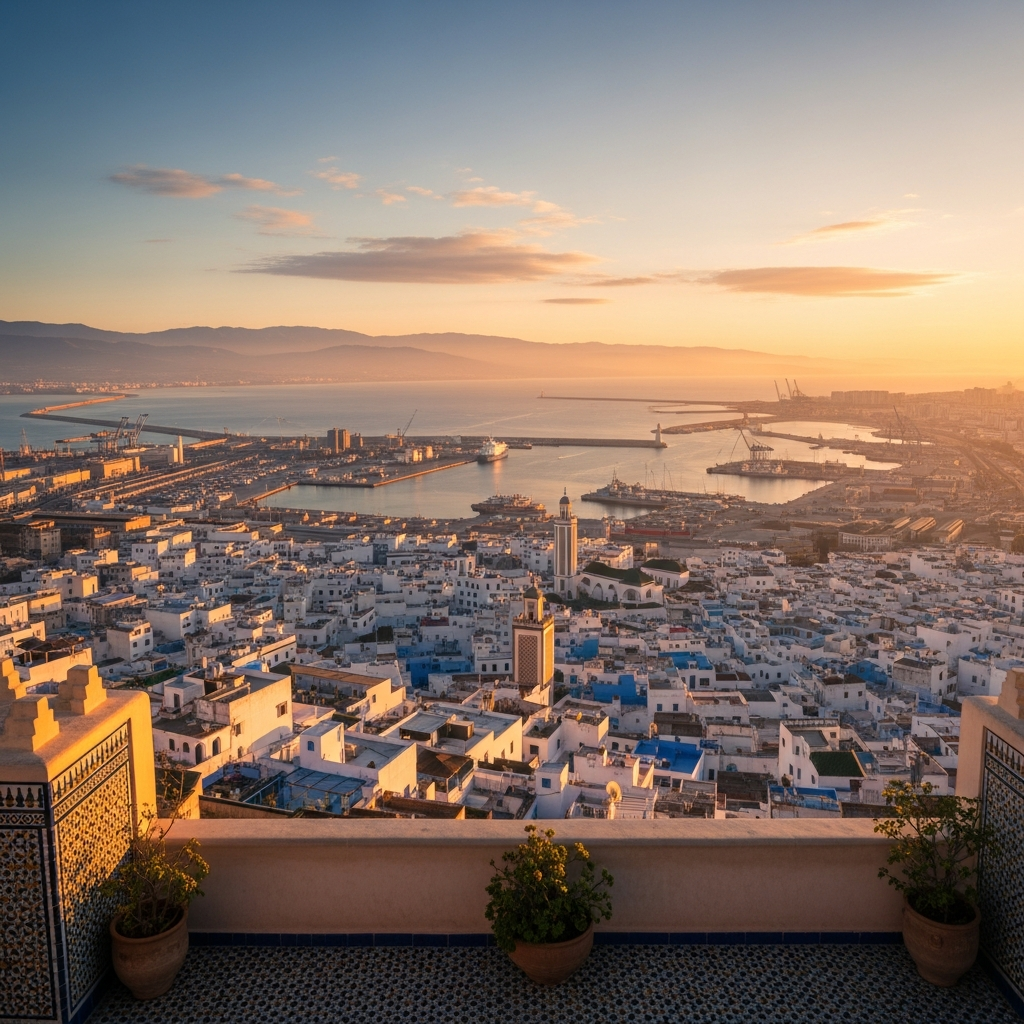
- Must-See: The Kasbah Museum (Dar el-Makhzen) is housed in a former sultan’s palace. Its beautiful courtyards and exhibits on Moroccan history lead to a spectacular terrace with the best view in the city—overlooking the port, the strait, and Spain on a clear day.
- Get Lost: Wander down from the Kasbah into the medina. Visit the Grand Socco, a large, busy square that is the main entrance to the old city. Then, find the Petit Socco, a tiny, atmospheric square that was once the gritty heart of the International Zone, full of cafes and stories.
- Hidden Gem: Seek out the American Legation Museum. It’s the only U.S. National Historic Landmark located abroad and offers a fascinating look at early diplomatic relations and Tangier’s history.
2. The Ville Nouvelle (The “New City”)
Descend from the medina into the Ville Nouvelle, built during the French and Spanish protectorates.
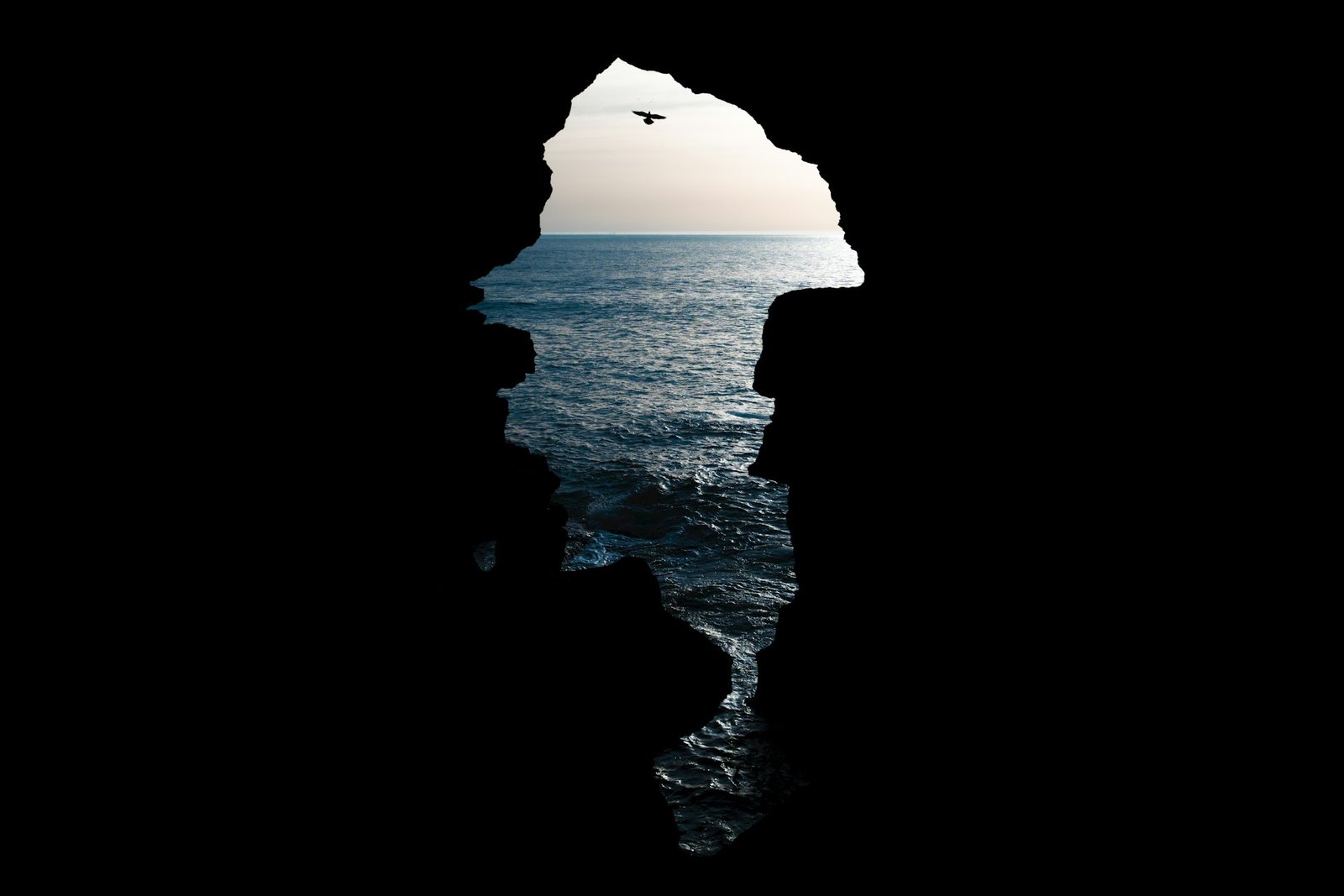
- Main Drag: Stroll down Boulevard Pasteur, the city’s main European-style avenue. It’s lined with cafes, patisseries, cinemas, and elegant early-20th century architecture. This is the place for shopping, people-watching, and feeling Tangier’s modern pulse.
- Cultural Note: Look for the Gran Teatro Cervantes, a beautiful but sadly decaying early-20th century theater that symbolizes the city’s glamorous past.
3. The Corniche & Beachfront
For fresh air and sea views, walk the long Corniche (seafront promenade).
- The Walk: It stretches from the port area all the way to the modern suburbs, passing cafes, hotels, and the city’s main public beach, Playa Municipal.
- Local Life: Join families and friends for an evening paseo (stroll) here, especially at sunset.
4. The Atlantic Coast: Beyond the City
A short taxi ride west reveals Tangier’s dramatic natural beauty.
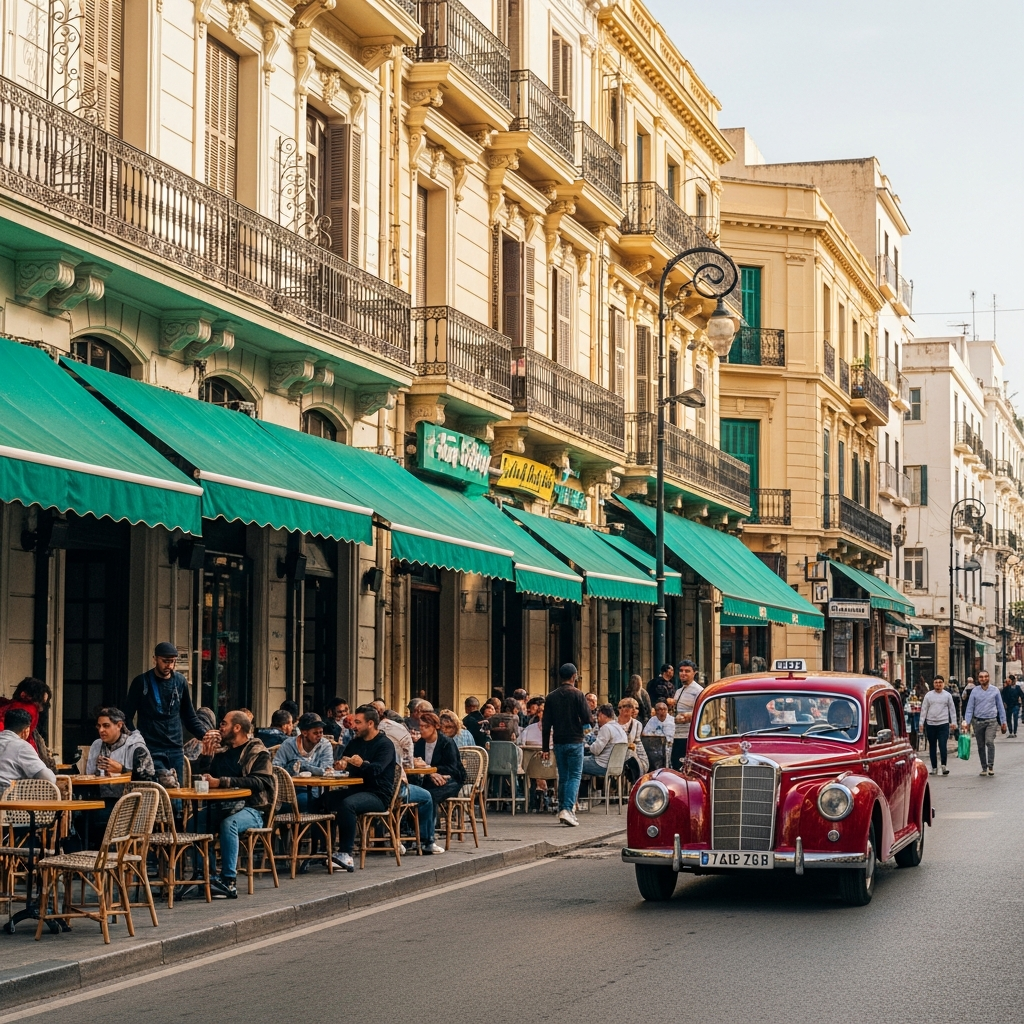
- Caves of Hercules: This mythical sea cave is a natural wonder. The large opening to the sea is famously shaped like a reverse silhouette of Africa. It’s a popular spot but worth seeing for the geological wonder and ocean views.
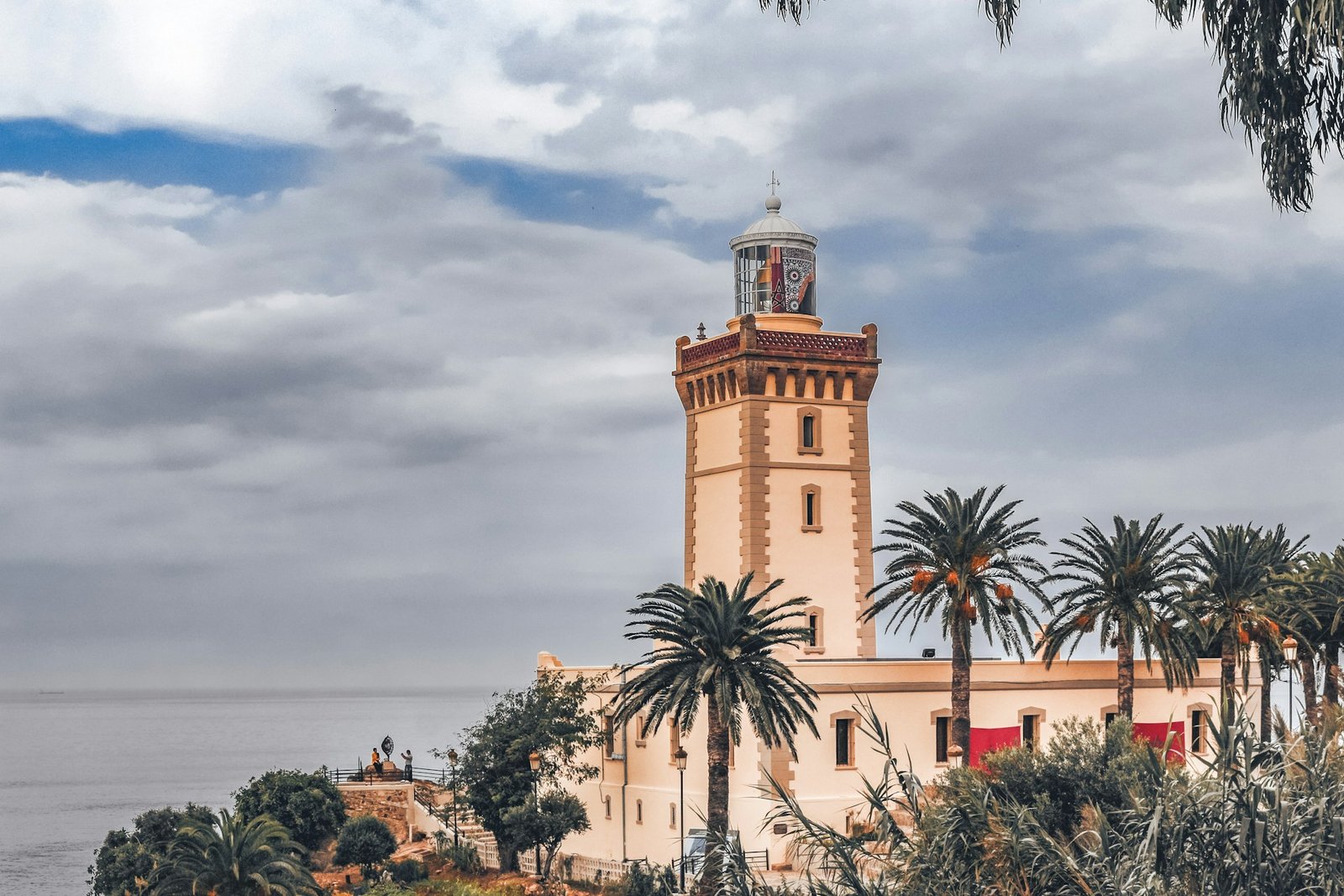
- Cap Spartel: Just beyond the caves is Cap Spartel, the northwesternmost point of Africa. A historic lighthouse stands here, and the views of the turbulent waters where the two seas meet are unforgettable.
Essential Tangier Travel Tips: Know Before You Go
This practical advice will make your trip smoother.
| Category | Key Information for Your Trip |
|---|---|
| 🛬 Getting There | By Air: Ibn Battouta Airport (TNG) is 15km from the city. A pre-paid taxi to the center costs about 150-200 MAD. By Sea: Ferries from Spain arrive at two ports: Tangier Ville (close to the medina) is best for foot passengers. Tanger Med (about 1 hour away) is for vehicles. Book tickets online via operators like FRS or Balearia. By Train: Tangier’s train station is well-connected to Casablanca, Rabat, and Fez via high-speed and regular trains. |
| 🚕 Getting Around | On Foot: The best way to explore the medina and Corniche. Petit Taxis: Small, blue taxis are cheap and metered for trips within the city. Always ensure the meter is running. Grand Taxis: Shared taxis (older Mercedes) are good for fixed routes to the airport or Cap Spartel. Ride-Hailing: The Careem app works well in Tangier. Tramway: A modern, clean tram connects major points in the Ville Nouvelle and suburbs. |
| 🛏️ Where to Stay | Medina/Kasbah: For atmosphere, history, and riad hotels (e.g., Dar Nour, El Minzah Hotel). Ville Nouvelle: For modern comfort, convenience, and a wide choice of hotels (e.g., near Blvd Pasteur). Corniche: For sea views and larger, resort-style hotels. |
| 🌤️ Best Time to Visit | Spring (April-June) and Autumn (September-October) offer the most pleasant weather, perfect for exploring. Summer (July-August) can be hot and crowded with vacationers. Winter is mild but can be rainy; you’ll find fewer tourists and a more local pace. |
| 💬 Language & Etiquette | Arabic and French are the main languages. Spanish is also widely spoken. Learning a few basic French or Arabic phrases (Bonjour, Merci, Salaam) is appreciated. Tangier is used to tourists and is generally liberal, but modest dress (covering shoulders and knees) is respectful when exploring the medina. |
Detailed Tangier Travel Itineraries
The Perfect 3-Day Tangier Itinerary
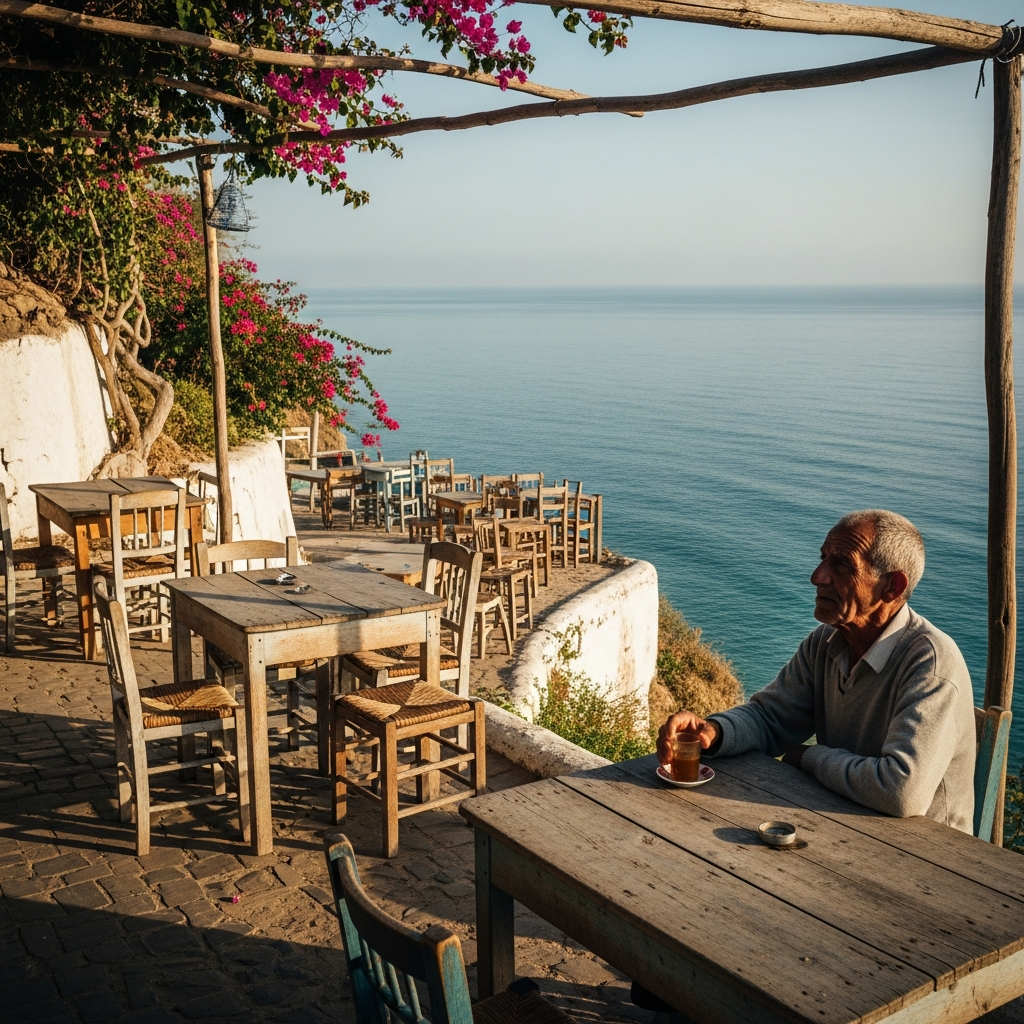
- Day 1 – History & The Medina: Morning at the Kasbah Museum and terrace. Get lost in the medina lanes, visit the American Legation, and have lunch in the Petit Socco. Afternoon walk along the Corniche. Evening mint tea at the legendary Café Hafa, carved into the cliffs.
- Day 2 – Culture & The Coast: Morning exploring the Ville Nouvelle and Boulevard Pasteur. In the afternoon, take a taxi to Cap Spartel and the Caves of Hercules. Watch the sunset from the lighthouse. Dinner with fresh seafood by the port.
- Day 3 – Choose Your Adventure: Option A: Deep dive into Tangier—visit the Phoenician Tombs, shop for antiques, relax at a hammam. Option B: One of the most rewarding Tangier travel experiences is a day trip to Chefchaouen (see below).
The 5-Day Northern Morocco Explorer
- Days 1-3: Follow the 3-day Tangier itinerary above.
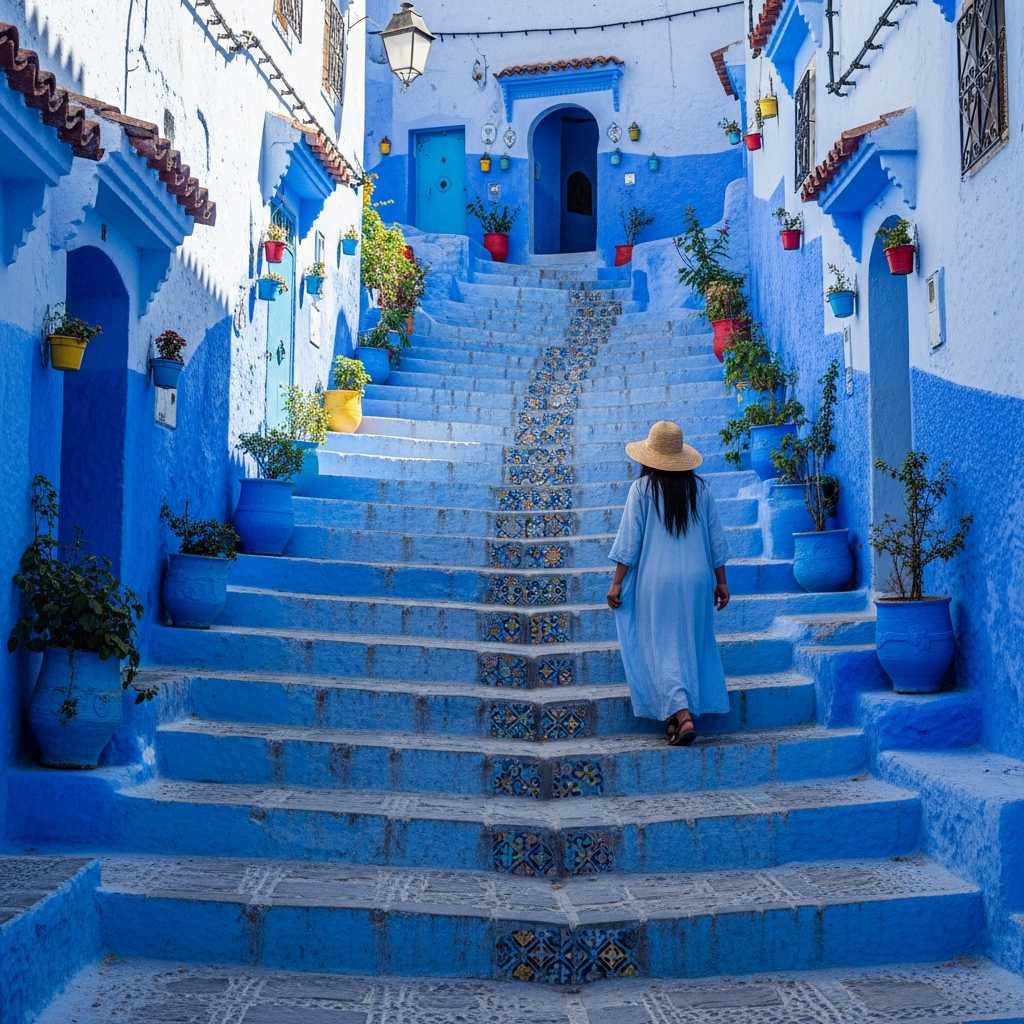
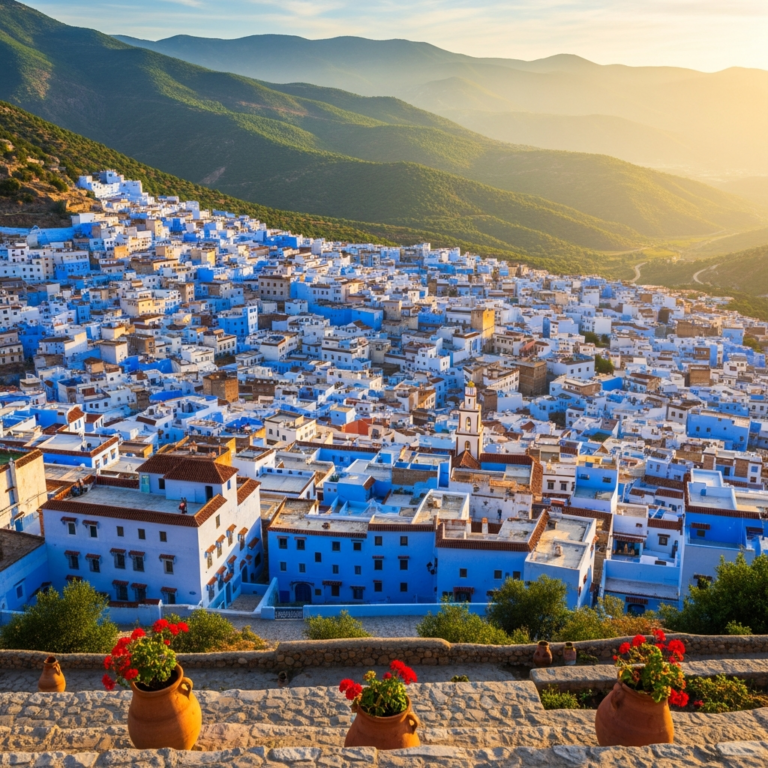
- Day 4: Day Trip to Chefchaouen. Take an early shared grand taxi or private driver (2.5-hour journey). Spend the day wandering the stunning blue-washed streets, hiking to the Spanish Mosque for sunset, and shopping for local crafts. Return to Tangier in the evening.
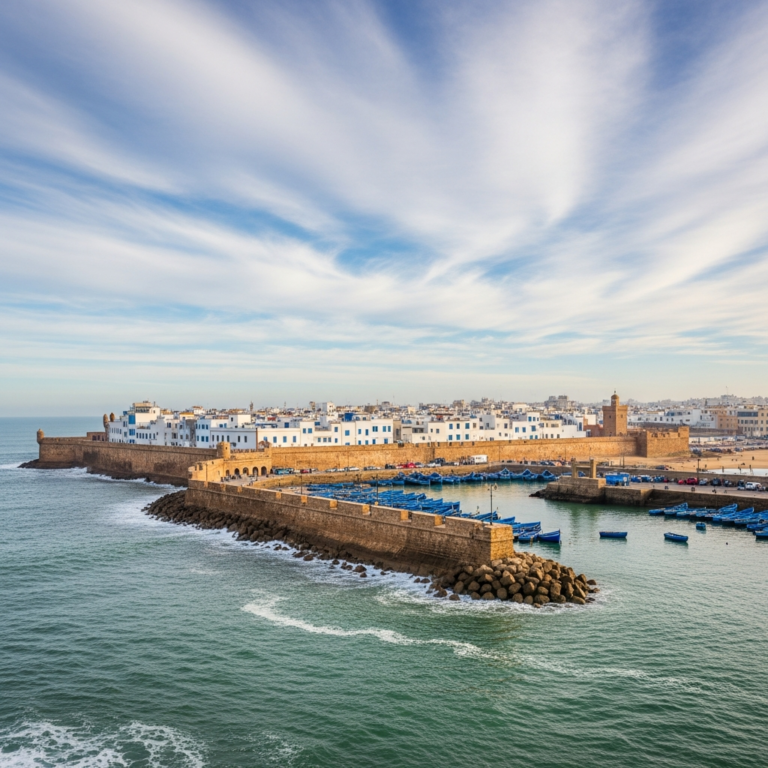
- Day 5: Day Trip to Asilah. Head south to this charming, artsy seaside town (1-hour drive). Explore its beautiful medina with painted murals, walk the seaside ramparts, and enjoy a relaxed lunch before heading back to Tangier for your departure.
Packing List for Tangier Travel
- Clothing: Comfortable walking shoes are non-negotiable for the medina’s cobblestones. Pack layers—a light jacket or sweater for breezy evenings, even in summer. Include a scarf for sun protection and for visiting mosques (though the Grand Mosque is not open to non-Muslims).
- Essentials: Sunscreen, sunglasses, and a hat. The coastal sun is strong. A refillable water bottle is useful.
- Extras: A small daypack for explorations, a French or Arabic phrasebook/app, and a universal power adapter (Morocco uses Type C and E plugs, 220V).
The Enduring Allure of the Gateway
Tangier travel gets under your skin. It’s not about ticking off a list of monuments; it’s about absorbing an atmosphere. It’s the thrill of standing at the continent’s edge at Cap Spartel, the quiet wonder in a hidden medina courtyard, and the taste of sweet mint tea in a cafe that has hosted generations of dreamers.

This is the true essence of Tangier travel, it doesn’t just open the door to Morocco; it invites you into a captivating story that’s still being written.
Ready to start your own Tangier story? Find and book cheap flights for your trip using our trusted search tool. Then, dive into more guides and personal adventures from Morocco at letsgosarah.com.
Frequently Asked Questions (FAQs)
Yes, Tangier is generally very safe. Common sense precautions apply: be aware of your belongings in crowded areas, avoid poorly lit alleys at night, and use official taxis or the Careem app. As a female traveler, you will attract some attention, but dressing modestly helps. The city is used to international visitors.
Fresh seafood is king. Head to the port area where you can choose your fish from the morning’s catch and have it grilled for you right there. Also, don’t miss Tangier-style pastilla—a savory and sweet pie often made with pigeon or chicken, almonds, and cinnamon. For a snack, try bissara, a hearty fava bean soup.
Focus on the essentials: Day 1, explore the Kasbah, medina, and have tea at Café Hafa. Day 2, visit Cap Spartel and the Caves of Hercules in the morning, then stroll the Corniche and Ville Nouvelle in the afternoon. This gives you a perfect mix of history, culture, and natural beauty.
Vendors in the medina can be persistent but are rarely aggressive. A firm, polite “Non, merci” or “La, shukran” (No, thank you) while continuing to walk usually works. For unofficial “guides” who attach themselves to you, the same applies. If you want a guide, hire an official one through your hotel or the tourist office for a better experience.
While some shops and restaurants in tourist areas may accept euros, the exchange rate will be poor. It is always better to pay in the local currency, Moroccan Dirhams (MAD). Withdraw cash from ATMs (they are widely available) or exchange money at a bank or official bureau. Small bills are useful for taxis and small purchases.


One Comment