The Ultimate Alaska Travel Guide 2026: America’s Last Frontier
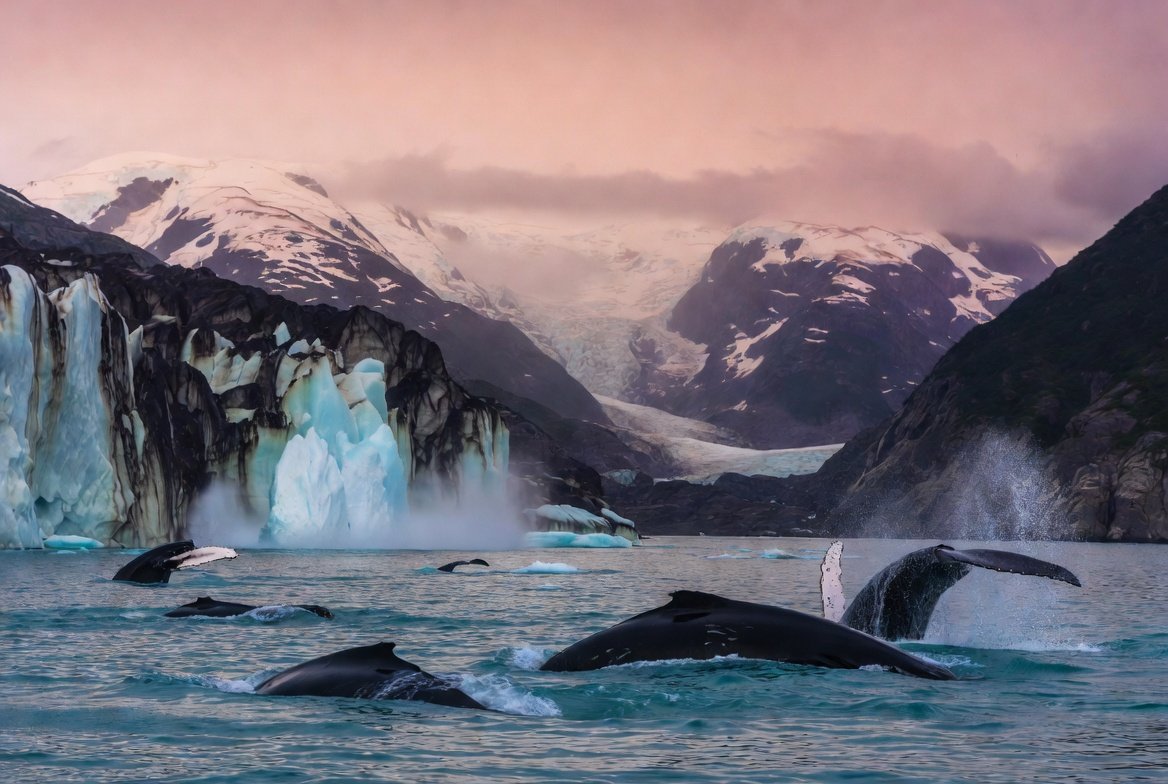
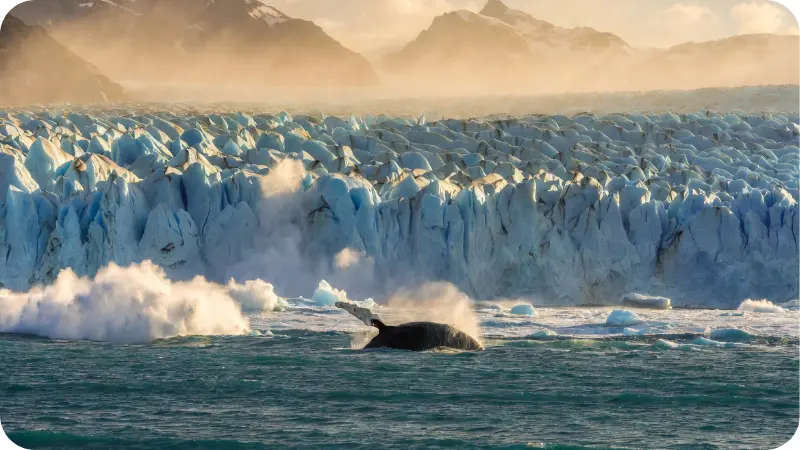
Do you remember the first time you felt truly small—in the best possible way? I felt it standing on the deck of a small boat, watching a glacier the size of a city block calve into the sea with a thunderous crack. The water churned, icebergs bobbed, and somewhere in the distance, a humpback whale breached as if applauding the show. Alaska doesn’t just show you nature; it reminds you who’s in charge.
If you’re ready to answer the call of the wild, let this be your guide. Start planning your epic Alaska travel adventure with us at Let’s Go Sarah.
Table of Contents
Why Alaska Travel is Unforgettable in 2026
Alaska in 2026 offers something increasingly rare in our connected world: genuine wildness. Here’s why this vast, magnificent state deserves a spot on your travel list this year.
1. Glaciers Like You’ve Never Seen
Alaska holds more than 100,000 glaciers, covering roughly 5% of the state. Some are easily accessible; others require effort to reach. All are breathtaking.
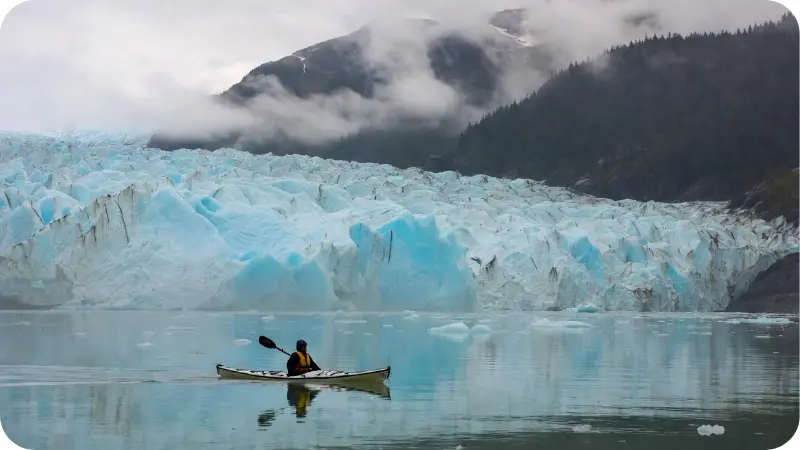
- The Iconic View: Mendenhall Glacier in Juneau, where you can kayak to its face or walk to Nugget Falls.
- The Boat Experience: Cruise into Glacier Bay National Park or Kenai Fjords to see tidewater glaciers calving into the ocean.
- The Helicopter Adventure: Land on a glacier and walk its ancient blue ice—a truly bucket-list moment.
2. Wildlife Encounters That Feel Real
This isn’t a safari park. Alaska’s wildlife roams free, and spotting them feels like a genuine privilege.
- Marine Majesty: Humpback whales, orcas, sea otters, seals, and sea lions in coastal waters.
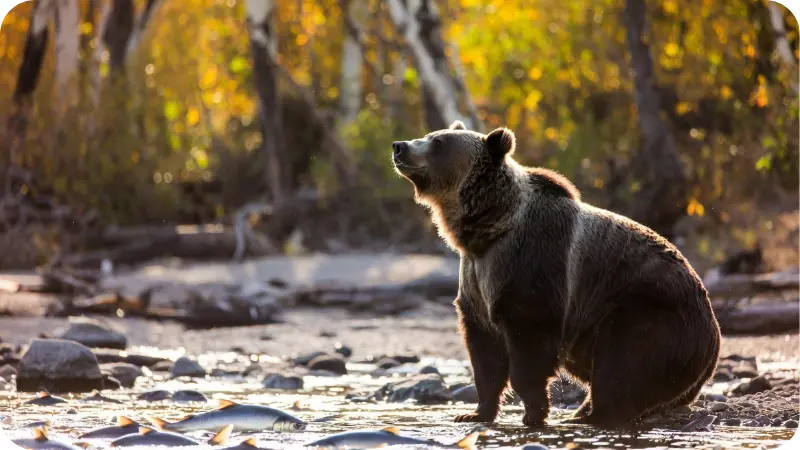
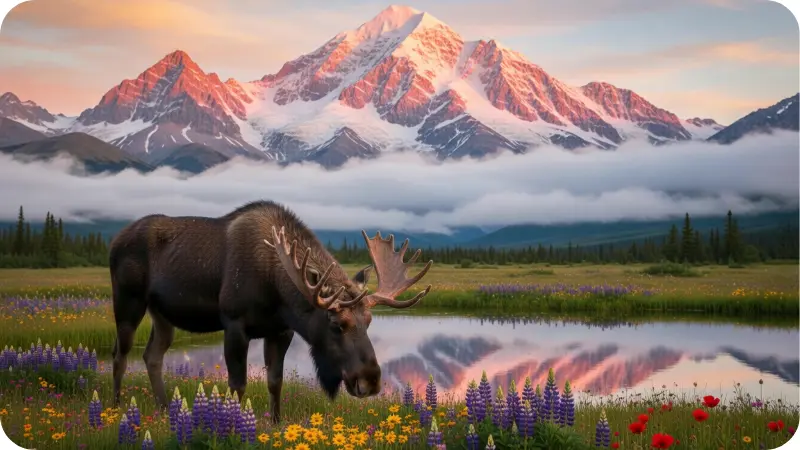
- Land Giants: Brown bears fishing for salmon, moose browsing willows, caribou migrating across tundra.
- Birding Paradise: Bald eagles, puffins, and thousands of migratory shorebirds.
3. The Northern Lights Dance
From late August through April, Alaska’s dark skies come alive with the aurora borealis. Fairbanks, nestled under the “auroral oval,” offers some of the best viewing on Earth.
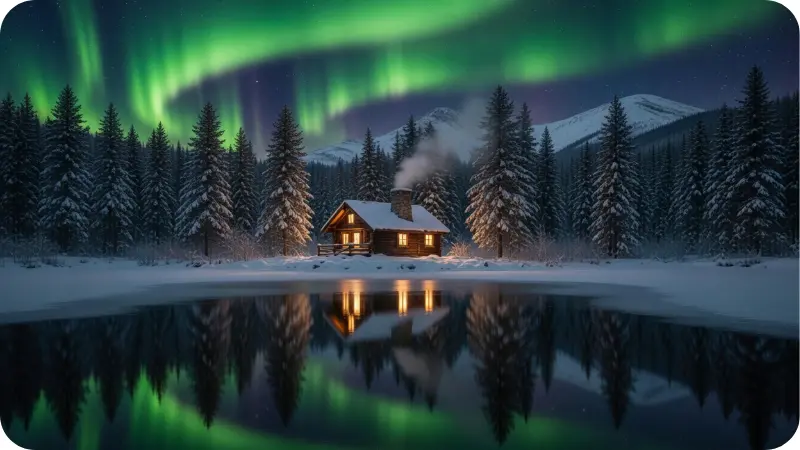
- 2026 Forecast: Solar activity remains strong, promising vibrant displays.
- Best Viewing: Clear, dark nights away from city lights—September through March.
4. Summer’s Midnight Sun
Visit in June or July, and you’ll experience something almost disorienting: nearly 24 hours of daylight. Hike at 10 PM, fish at midnight, and feel like you’ve entered a world where time bends.
5. 2026 Updates: New Ways to Explore
- Expanded Rail Service: The Alaska Railroad adds new seasonal routes connecting Anchorage, Fairbanks, and Denali with enhanced wilderness viewing cars.
- Sustainable Tourism Initiatives: More tour operators now offer carbon-offset options and wildlife-friendly guidelines.
- Indigenous Tourism Growth: New cultural centers and tours led by Alaska Native guides share authentic stories and traditions.
Crafting Your Alaska Travel Adventure: Key Regions
Alaska is enormous—twice the size of Texas. Focus your trip on one or two regions rather than trying to see it all.
Southcentral Alaska: Anchorage, Kenai Peninsula & Prince William Sound
- The Vibe: Alaska’s most accessible region, blending urban amenities with world-class wilderness. Anchorage serves as the perfect gateway.
- 2026 Highlights: New direct flights from Asia and Europe make Anchorage more accessible than ever.
- Must-Do Activities:
- Kenai Fjords National Park: Take a day cruise from Seward to see glaciers, whales, and puffins.
- Portage Glacier: Just an hour from Anchorage, easily accessible and stunning.
- Homer’s Spit: Drive to the end of the road for legendary halibut fishing and quirky artist communities.
- Whittier: Accessible via a one-lane tunnel, this tiny port offers Prince William Sound kayaking.
- Minimum Stay: 4-5 days
- Practical Tip: Rent a car in Anchorage and explore the Kenai Peninsula at your own pace. Book summer accommodations 6+ months in advance.
Interior Alaska: Denali & Fairbanks
- The Vibe: Vast, wild, and dominated by North America’s tallest peak. This is classic, big-sky Alaska.
- 2026 Updates: Denali National Park’s new bus reservation system aims to reduce crowding while protecting wildlife.
- Must-Do Activities:
- Denali Park Road: Take the bus deep into the park for the best wildlife viewing (bears, moose, caribou, wolves).
- Flightseeing: Soar around Denali’s summit for perspective you can’t get from the ground.
- Aurora Viewing in Fairbanks: Stay in a cabin with a glass ceiling or join a photography tour.
- Chena Hot Springs: Soak in natural hot springs while watching for northern lights.
- Minimum Stay: 3-4 days
- Practical Tip: Book Denali bus tickets the moment they’re released (typically January). In Fairbanks, rent a car to chase clear skies for aurora viewing.
Southeast Alaska (Inside Passage): Juneau, Ketchikan & Glacier Bay
- The Vibe: Fjords, islands, and rainforest—accessible mainly by plane or boat. This is cruise ship territory, but independent travel reveals deeper secrets.
- 2026 Highlights: New high-speed ferry service reduces travel time between towns.
- Must-Do Activities:
- Juneau’s Mendenhall Glacier: Kayak, hike, or simply gaze from the visitor center.
- Glacier Bay National Park: Take a small boat tour for intimate glacier experiences.
- Ketchikan’s Creek Street: Historic boardwalk lined with shops perched over salmon-spawning streams.
- Admiralty Island: Known as “Fortress of the Bear,” this island has the highest concentration of brown bears on Earth.
- Minimum Stay: 3-4 days per town, or 7 days for a ferry/small ship cruise
- Practical Tip: Fly into Juneau, then use the Alaska Marine Highway ferry system to hop between towns. Book ferry passages early.
Far North: Arctic Circle & Brooks Range
- The Vibe: Remote, extreme, and profoundly beautiful. This is for serious adventurers.
- 2026 Updates: Improved facilities in Utqiaġvik (Barrow) and Kotzebue support sustainable Arctic tourism.
- Must-Do Activities:
- Cross the Arctic Circle: Fly or drive the Dalton Highway to this milestone.
- Gates of the Arctic National Park: One of America’s least-visited parks—fly in with a guide for backpacking.
- Inupiat Culture in Utqiaġvik: Learn about life at the top of the world, above the Arctic Circle.
- Minimum Stay: 3-5 days, plus travel time
- Practical Tip: This requires serious planning, specialized gear, and guides. Go with an experienced tour operator.
Alaska Travel Essentials: Know Before You Go (2026 Update)
Getting Around
- By Car: Essential for exploring Southcentral and Interior Alaska. Roads are good but limited—the highway system covers only a fraction of the state.
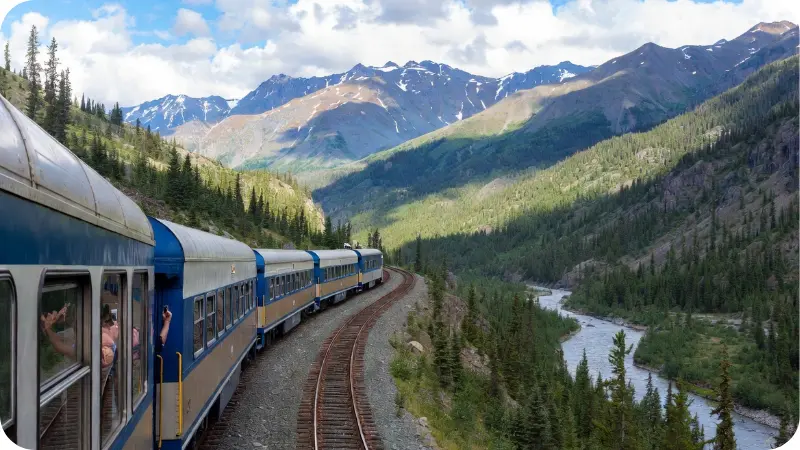
- By Train: The Alaska Railroad connects Seward, Anchorage, Denali, and Fairbanks. Scenic, comfortable, and stress-free.
- By Plane: Alaska’s “bush planes” are essential for reaching remote communities. Local airlines like Ravn and Grant Aviation connect the dots.
- By Ferry: The Alaska Marine Highway System is a lifeline for coastal communities—and a stunning journey in itself.
- Tours & Cruises: For Glacier Bay, Kenai Fjords, and Arctic destinations, guided tours maximize safety and insight.
When to Visit
| Season | Pros | Cons | Best For |
|---|---|---|---|
| Summer (June-August) | Warmest weather, long days, all attractions open | Peak crowds, highest prices, mosquitoes | Hiking, wildlife, cruising, Denali |
| Shoulder (May & September) | Fewer crowds, lower prices, fall colors (Sept) | Some facilities close, cooler temps | Budget travelers, photographers |
| Winter (October-April) | Northern Lights, winter sports, solitude | Extreme cold, limited daylight | Aurora chasers, dog mushing fans |
Money & Costs (Budget per person, per day)
Alaska is expensive—there’s no sugarcoating it. Remote location and short seasons drive prices up.
| Budget Level | Daily Cost | Accommodation | Meals | Activities |
|---|---|---|---|---|
| Budget | €100-€150 | Hostels, camping | Groceries, food trucks | Free hikes, self-guided |
| Mid-Range | €200-€350 | Hotels, B&Bs | Mix of casual restaurants | One paid tour daily |
| Luxury | €400+ | Lodges, resorts | Fine dining | Flightseeing, private guides |
Money-Saving Tips:
- Cook some meals—groceries are cheaper than restaurants
- Book tours directly with operators, not through hotels
- Travel in May or September for lower rates
- Share costs by traveling with a group
What to Pack
- Layers, Layers, Layers: Base layer (merino wool), insulating mid-layer (fleece), waterproof outer shell. Weather changes hourly.
- Waterproof Hiking Boots: Broken in before you arrive.
- Rain Gear: Even in summer, rain is likely.
- Binoculars: Essential for wildlife viewing.
- Bug Spray: Mosquitoes are legendary—bring DEET or permethrin-treated clothing.
- Reusable Water Bottle: Alaska’s tap water is pristine.
- Camera with Extra Batteries: Cold drains batteries fast.
- One Quirky Item: A Small Notebook. For sketching glaciers, listing wildlife sightings, or writing poetry inspired by the midnight sun.
Etiquette & Safety
- Wildlife Respect: Never approach animals—use binoculars and telephoto lenses. Keep food secured.
- Leave No Trace: Pack out everything. Alaska’s ecosystems are fragile.
- Bear Safety: Make noise on trails, carry bear spray, and know how to use it.
- Weather Awareness: Conditions change fast. Always check forecasts and tell someone your plans.
- Cell Service: Expect none outside major towns. Download maps and info beforehand.
Your Perfect Alaska Travel Itinerary (2026)
The 7-Day Classic: Anchorage, Kenai & Denali
- Day 1: Arrive Anchorage. Pick up rental car, stock up on supplies. Evening in Anchorage.
- Day 2: Drive to Seward. Kenai Fjords wildlife cruise in afternoon. Overnight Seward.
- Day 3: Exit Glacier hike. Drive to Cooper Landing for evening. Overnight Cooper Landing.
- Day 4: Drive to Whittier via Portage Valley. Prince William Sound kayaking. Return to Anchorage.
- Day 5: Drive to Denali National Park via Talkeetna (lunch stop). Evening in Denali.
- Day 6: Denali Park bus tour (book ahead!). Wildlife viewing, mountain views.
- Day 7: Morning hike, drive back to Anchorage for departure.
The 10-Day Explorer (Adds Southeast Alaska)
- Days 1-4: Follow Anchorage/Kenai portion above.
- Day 5: Fly Anchorage to Juneau.
- Day 6: Juneau—Mendenhall Glacier, tram to Mount Roberts.
- Day 7: Ferry to Glacier Bay National Park (book small boat tour).
- Day 8: Glacier Bay exploration.
- Day 9: Ferry to Ketchikan. Creek Street, totem parks.
- Day 10: Morning in Ketchikan, fly out via Seattle.
The 14-Day Deep Dive: The Full Frontier
- Days 1-7: Follow 7-Day Classic itinerary.
- Days 8-10: Drive Fairbanks via Denali. Aurora viewing (if late Aug-Sept), Chena Hot Springs, Arctic Circle air tour.
- Days 11-14: Fly Fairbanks to Nome or Kotzebue for Arctic experience, or drive back to Anchorage for flight to Southeast Alaska (adds 5-7 days).
Find and book flights, car rentals, and tours through our partners at Let’s Go Sarah.
Alaska Travel Packing List: The Essentials
- Waterproof Hiking Boots (Broken In): Your most important item.
- Layered Clothing System: Merino base, fleece mid, waterproof shell.
- Rain Pants & Jacket: Yes, even in summer.
- Binoculars: Wildlife spotting is half the fun.
- Bear Spray & Holster: Know how to use it before you need it.
- Headlamp with Extra Batteries: Essential for long summer evenings or dark winter days.
- Reusable Water Bottle & Thermos: For coffee and tea on chilly mornings.
- One Quirky Item: A Small Journal. Alaska inspires reflection—capture it.
Your Alaska Story Awaits
Alaska is not a place you simply visit; it’s a place that visits you. Long after you’ve returned home, you’ll carry the memory of a glacier’s thunder, a whale’s breach, and a sky dancing with color.
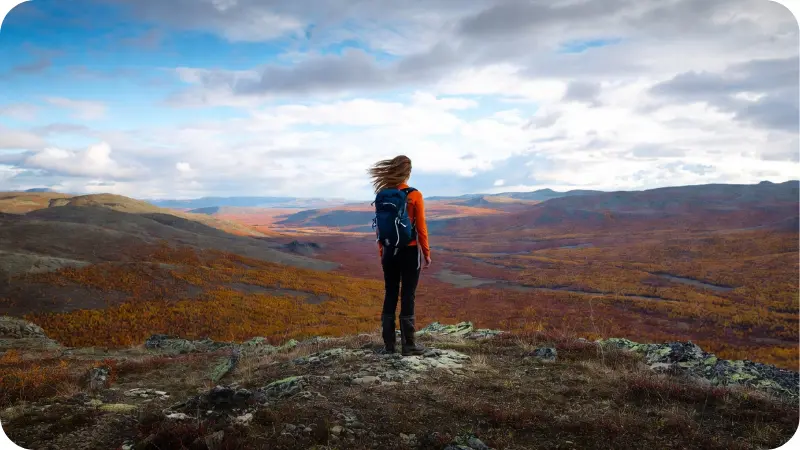
It’s humbling, exhilarating, and profoundly beautiful. Let 2026 be the year you answer the call of the wild. Begin your journey with more resources at Let’s Go Sarah.
Alaska Travel FAQs
Alaska is a U.S. state, so U.S. citizens need no passport. International visitors must meet standard U.S. entry requirements (ESTA or visa). Cruises that begin or end in Canada require a passport for all.
Late August through mid-April, with peak activity around the equinoxes (September and March). Fairbanks offers the best accessibility and infrastructure for aurora viewing.
Yes, with preparation. Stick to well-traveled areas, inform someone of your plans, and respect wildlife and weather. Solo travel in Alaska requires more planning than in the Lower 48, but the rewards are immense.
Yes. The Alaska Railroad connects Seward, Anchorage, Denali, and Fairbanks. Tours and shuttles cover many highlights. For Southeast Alaska, ferries and flights connect towns. However, a car offers more flexibility for exploring the road system.
Possibilities include: humpback whales, orcas, sea otters, seals, sea lions, bald eagles, puffins (coastal); bears (brown and black), moose, caribou, Dall sheep, wolves, foxes (interior). Timing and location determine your chances.
If hiking anywhere outside urban areas, yes. Carry it on your belt (not in your pack), and know how to use it. Buy it in Alaska—airlines won’t let you fly with it.
They’re legendary. From late May through July, mosquitoes can be intense, especially in forested and tundra areas. Bring EPA-grade repellent with DEET or picaridin, or treat clothing with permethrin.
- Easiest: Drive to Exit Glacier (Seward), Matanuska Glacier (Glenn Highway), or Portage Glacier (near Anchorage).
- By Boat: Kenai Fjords, Prince William Sound, Glacier Bay cruises.
- By Air: Flightseeing tours from Anchorage, Juneau, or Talkeetna land on glaciers.