The Ultimate Canada Travel Guide for 2025
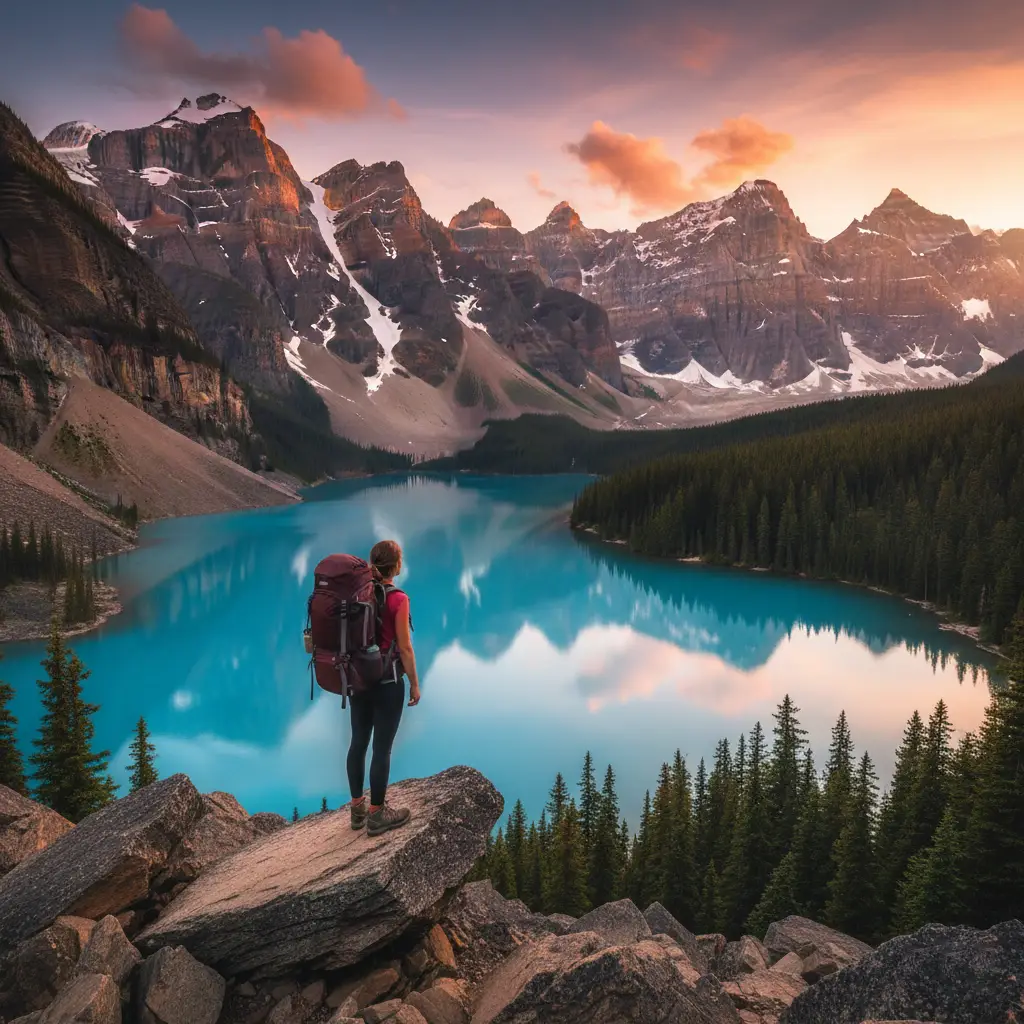
Have you ever stood in the shadow of a glacier, felt the mist of a thousand-year-old waterfall on your face, or been humbled by the silent dance of the Northern Lights? I’ll never forget my first evening in the Canadian Rockies, watching the sunset paint the peaks of Banff in shades of rose gold, a feeling of sheer awe washing over me.

That moment, where epic nature meets profound peace, is the essence of Canada travel. It’s a country that doesn’t just welcome you; it embraces you with open skies and warm smiles. If you’re dreaming of your own adventure, you’ve come to the right place. Let’s craft your perfect journey together.
Map Your Route
Why Canada Travel is Unforgettable
Choosing a destination is about the feeling it promises. Canada delivers a powerful trio: soul-stirring landscapes, a mosaic of cultures, and a culinary scene that’s both comforting and exciting.
A Feast for the Senses: From Poutine to Pacific Salmon
Canadian cuisine is a delicious reflection of its land and people. It’s hearty, diverse, and deeply satisfying.
- Iconic Comfort Food: You haven’t truly visited until you’ve tried poutine—crispy fries smothered in gravy and squeaky cheese curds. It’s the ultimate late-night treat.
- Coastal Delights: On the East Coast, indulge in a buttery lobster roll in Nova Scotia or succulent digby scallops. On the West, savor wild Pacific salmon prepared by Indigenous communities.
- Sweet Traditions: Dive into a butter tart (gooey or firm? The debate is half the fun), a layered Nanaimo bar, or, of course, pure maple syrup drizzled on snow for tire d’érable.

“Eh?” and Welcome: Legendary Hospitality & Cultural Mosaic
The stereotype is true: Canadians are famously friendly and polite. This genuine warmth makes solo travel, asking for directions, or striking up a conversation incredibly easy. Beyond the kindness, you’ll experience a vibrant cultural tapestry—from the strong French heritage and joie de vivre in Québec to the rich traditions of First Nations communities and the dynamic, multicultural buzz of cities like Toronto and Vancouver.
Landscapes That Define “Epic”
The sheer scale and beauty of Canada’s wilderness is its crown jewel.
- The Mighty Rockies: The turquoise lakes (Lake Louise, Moraine Lake) and jagged peaks of Banff and Jasper National Parks are world-famous for a reason.
- Coastal Wonders: Walk among ancient giants in British Columbia’s rainforests or kayak alongside orcas.
- Iconic Power: Feel the thunderous roar of Niagara Falls, a must-see natural wonder.
- The Great North: Witness the surreal spectacle of the Northern Lights in the Yukon or Northwest Territories.
Crafting Your Canada Travel Adventure: Key Regions
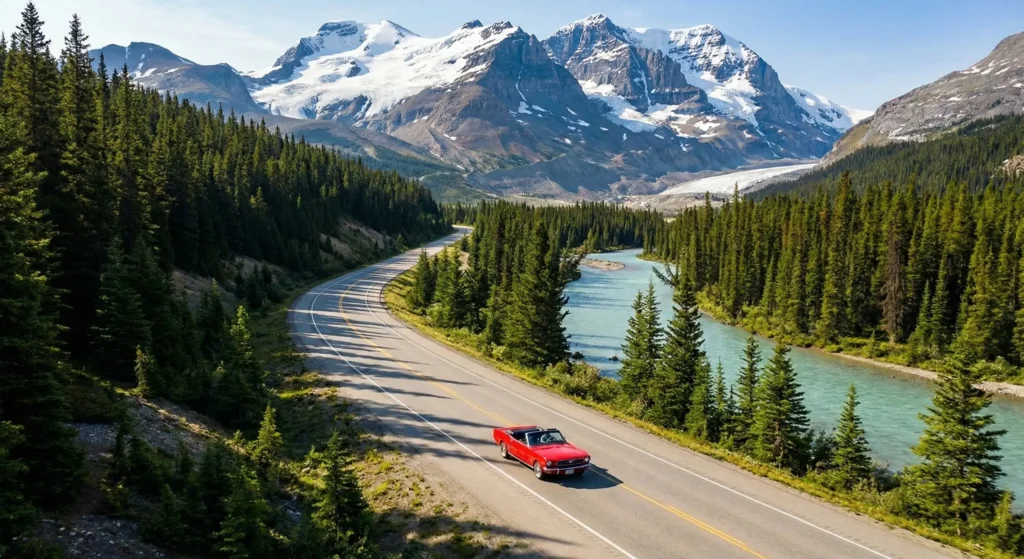
Canada is vast. Focus on one or two regions for a deep experience, or connect them with a epic road trip or flight.
Western Canada: The Great Outdoors
Vibe: Adventure, mountains, and Pacific cool. Base: Vancouver or Banff. Stay: 5-7 days.
- Must-Dos: Bike around Vancouver’s Stanley Park. Drive the Icefields Parkway between Banff and Jasper. Hike to a glacial lake. Take a gondola for panoramic views.
- Insider Tip: Rent a car for ultimate freedom in the Rockies. Book park shuttles for popular lakes like Moraine Lake well in advance.
Central Canada: Urban Pulse & Iconic Sights
Vibe: Cosmopolitan energy and world-famous landmarks. Base: Toronto. Stay: 3-4 days.
- Must-Dos: See Niagara Falls up close on a Hornblower cruise. Explore Toronto’s diverse neighborhoods (Kensington Market, Distillery District). Visit Canada’s capital, Ottawa, and tour Parliament Hill.
- Insider Tip: A day trip to Niagara Falls is easy from Toronto. For a unique city view, try the EdgeWalk on the CN Tower if you’re brave!
Eastern Canada (Québec & The Maritimes): European Flair & Coastal Charm
Vibe: Old-world romance, vibrant culture, and rugged shores. Base: Montréal or Québec City. Stay: 4-5 days.

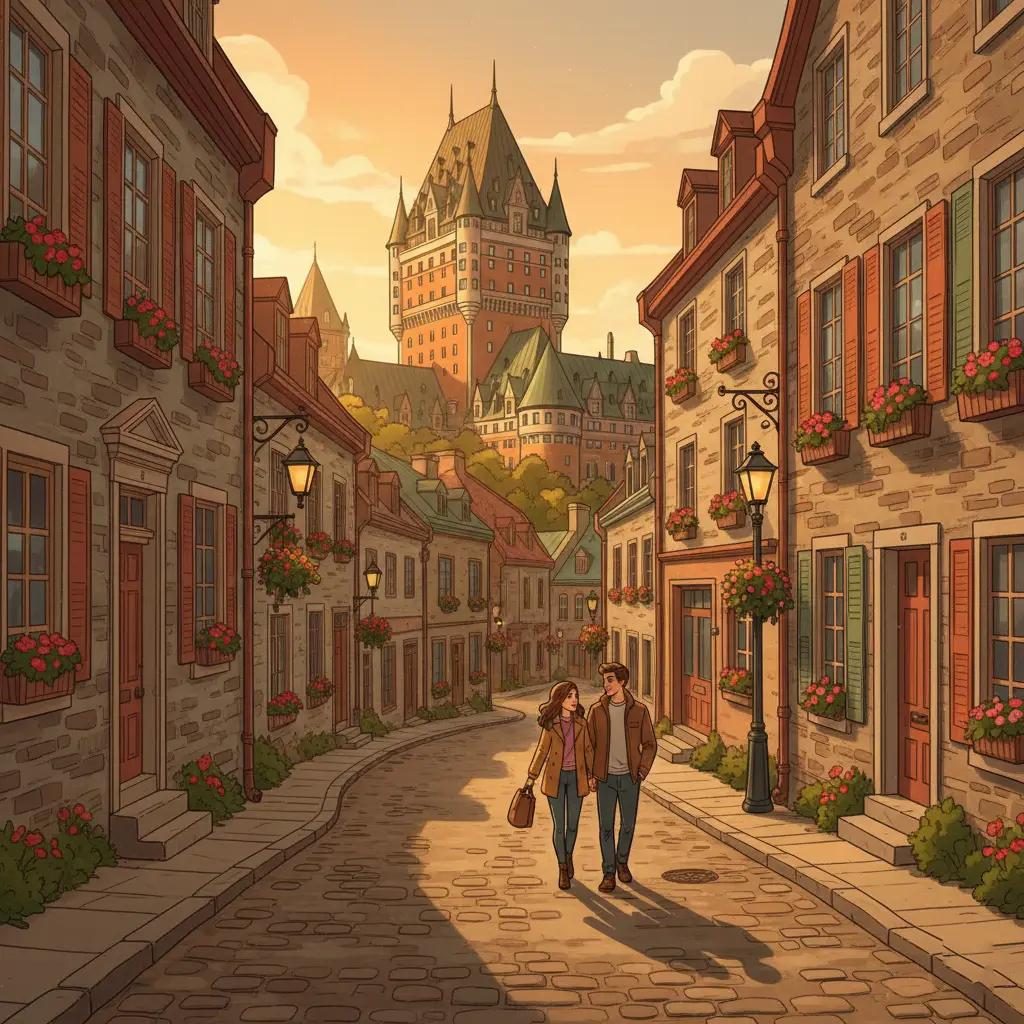
- Must-Dos: Get lost in the cobblestone streets of Old Québec City. Experience Montréal’s legendary food and festival scene. In the Maritimes (PEI, Nova Scotia), visit picturesque lighthouses and enjoy fresh seafood.
- Insider Tip: While English is widely spoken, a bonjour and merci go a long way in Québec. Summer and fall (for foliage) are magical here.
Northern Canada: The Wild Frontier
Vibe: Raw, remote, and awe-inspiring. Base: Whitehorse (Yukon) or Churchill (Manitoba). Stay: 3-5 days for a focused trip.
- Must-Dos: Chase the Aurora Borealis. Go dog sledding. In Churchill, take a tundra buggy to see polar bears (seasonal).
- Insider Tip: This is a destination for a specific, often pricey, experience. Plan well ahead and travel with a reputable tour operator.
Canada Travel Essentials: Know Before You Go
Getting Around
- By Air: Essential for covering long distances (e.g., Vancouver to Toronto). Book domestic flights early for better prices.
- By Car: The best way to explore national parks and regions at your own pace. Rental is straightforward, but note distances are vast and fuel can be costly in remote areas.
- Public Transit: Excellent within major cities like Toronto, Montréal, and Vancouver.
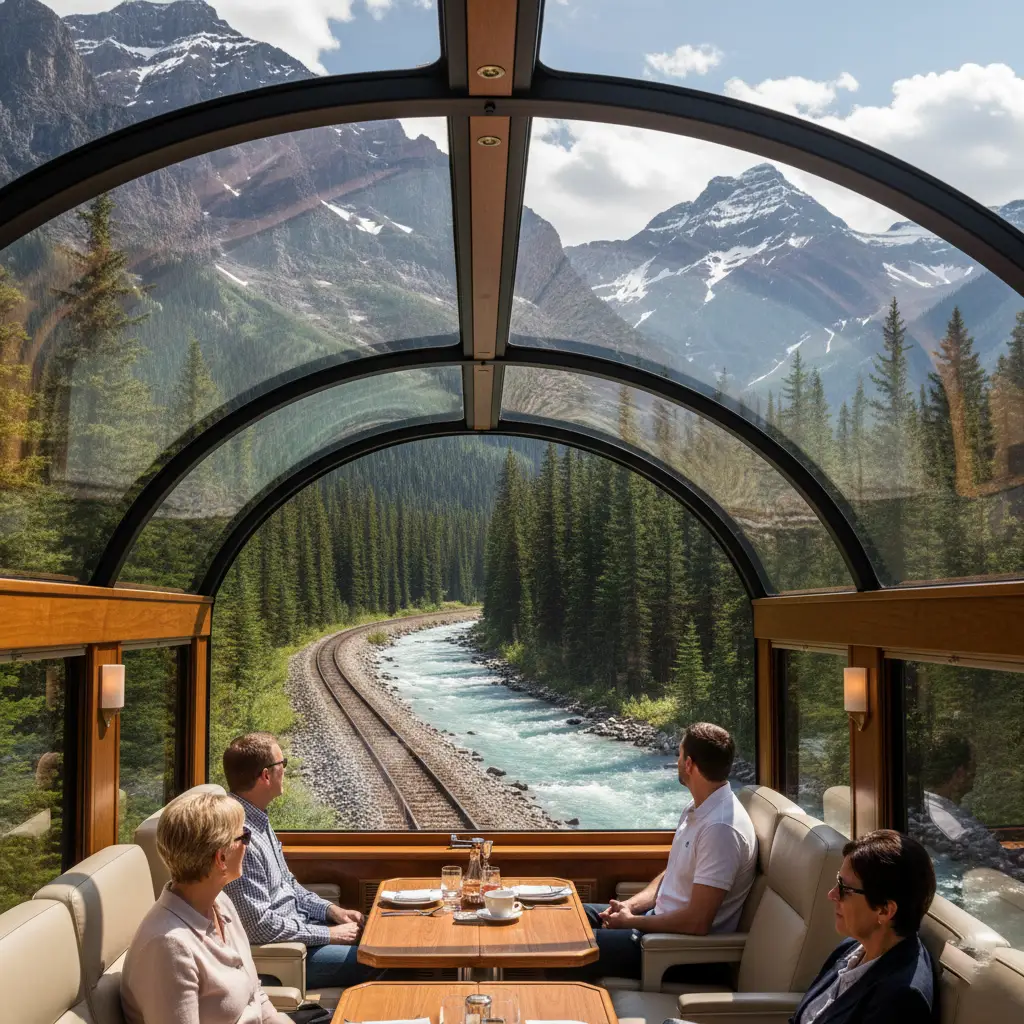
- By Train: A scenic, relaxing experience (e.g., Rocky Mountaineer, VIA Rail’s The Canadian), but slower and often more expensive than flying.
When to Visit
- Summer (June-August): Peak season. Perfect for hiking, lakes, and city exploring. Warm weather but crowded and pricey.
- Winter (Dec-Feb): For ski enthusiasts, aurora hunters, and winter festival lovers. Very cold in many regions, but uniquely beautiful.
- Shoulder Seasons (May/June & Sept/Oct): My favorite time. Fewer crowds, lower prices, and stunning fall colors or spring blooms.
Money & Costs
Currency is the Canadian Dollar (CAD). Cards are widely accepted, but carry some cash for markets and small vendors.
- Budget Traveler: ~$75-100 CAD/day: Hostels, grocery meals, public transit.
- Mid-Range Traveler: ~$150-250 CAD/day: Comfortable hotels/Airbnbs, mix of restaurant and self-catered meals, occasional car rental.
- Tipping: 15-20% in restaurants and for taxis is standard.
Etiquette & Safety
- Be Polite: Queue orderly, say “please” and “thank you,” and apologize if you bump someone (even if it wasn’t your fault!).
- Respect Wildlife: Always observe animals from a safe distance. In bear country, carry bear spray and know how to use it.
- Safety: Canada is one of the safest travel destinations in the world. Standard city precautions apply.
Your Perfect Canada Travel Itinerary
The 7-Day Classic (Western Highlights)
- Days 1-3: Vancouver. Explore the city, Stanley Park, Capilano Suspension Bridge.
- Days 4-7: Banff & Lake Louise. Fly to Calgary, drive to Banff. Hike, see Lake Louise and Moraine Lake, drive the Bow Valley Parkway.
The 10-Day Explorer (Coast to Icon)
- Days 1-4: Vancouver & Victoria (on Vancouver Island).
- Days 5-7: Fly to Calgary, explore Banff National Park.
- Days 8-10: Fly to Toronto, see the city and a day trip to Niagara Falls.
The 14-Day Deep Dive (Eastern Charm & Nature)
- Days 1-4: Toronto & Niagara Falls.
- Days 5-8: Montréal for food and culture.
- Days 9-11: Québec City for history and romance.
- Days 12-14: Choose: Fly to Halifax for a taste of the Maritimes, or extend in the Rockies for more hiking.
Find and book the perfect flights and hotels for any of these itineraries on Let’s Go Sarah.
Canada Travel Packing List: The Essentials
Beyond your basics, don’t forget:
- Layers, layers, layers! A moisture-wicking base, insulating mid-layer (fleece), and a waterproof/windproof shell.
- Sturdy, broken-in hiking shoes for trails and exploring.
- Power adapter (Canada uses Type A/B plugs, 120V).
- Reusable water bottle and travel mug (Canadians love their coffee!).
- High-quality sunscreen and sunglasses—the sun is strong, especially at altitude.
- Bear spray (can be rented/bought locally if hiking in bear country).
- The Quirky Essential: A classic Canadian toque (knit beanie). It’s functional, fashionable, and you’ll blend right in.
Your Adventure Awaits in the Great White North
Canada travel can feel daunting—the distances are long, the choices vast. But that’s also its magic. In a single trip, you can share laughs in a bustling multicultural food hall, stand in silent reverence before an ancient glacier, and feel the childlike wonder of seeing your first moose by the roadside. It’s a journey that feeds the soul and expands your sense of what’s possible. So, take a deep breath of that crisp, clean air and take the first step.
Start crafting your unforgettable Canadian story today. For more detailed guides, itinerary help, and insider tips, visit me at Let’s Go Sarah.
Quick Answers to Your Questions
Easily. Major cities like Vancouver, Toronto, and Montréal have thriving vegan and vegetarian restaurant scenes. Even in smaller towns, most restaurants offer solid plant-based options, and poutine can often be made with veggie gravy!
Canada is officially bilingual (English and French). English is spoken everywhere. French is dominant in Québec, but in tourist areas, you can manage with English. Learning a few basic French phrases (bonjour, merci) is a appreciated gesture.
It depends on your itinerary. For exploring national parks (Banff, Jasper) or road trips (Cabot Trail, Icefields Parkway), a car is essential. For city-hopping between major centers (Toronto-Montréal-Quebec City), the train or flying can be more efficient and relaxing.
Not necessarily. Parks are well-signposted with fantastic visitor centers. However, for specialized activities (ice climbing, backcountry hiking, wildlife viewing tours), a certified guide enhances safety and provides invaluable local knowledge.