
Your Ultimate Casablanca Travel Guide for 2025
Planning true Casablanca travel means looking beyond its reputation as a mere gateway. I’ll admit, I almost skipped the city myself.
Like many travelers lured by the romantic alleys of Fez and the vibrant squares of Marrakesh, I saw “Casa” as merely a transit hub a modern, bustling city lacking the “authentic” charm I was seeking. My perspective shifted completely during a last-minute, 36-hour stay.
Stepping out of the sleek Casa-Voyageurs station, I was greeted not by a chaotic frenzy but by a sweeping view of a sun-drenched city where nearly every building was painted a brilliant, uniform white. The air smelled of salt from the Atlantic and fresh espresso from street-side cafes. In that moment, I understood: Casablanca doesn’t shout for your attention; it whispers, revealing its soul to those willing to look beyond the skyscrapers.
This is a city pulsing with the real, modern energy of Morocco, where history and ambition walk hand-in-hand. Let me guide you through its vibrant streets.
Table of Contents
Why Visit Casablanca? Top Reasons for Your Travels
Why dedicate precious travel time to Morocco’s economic capital? The reasons are compelling and unique:
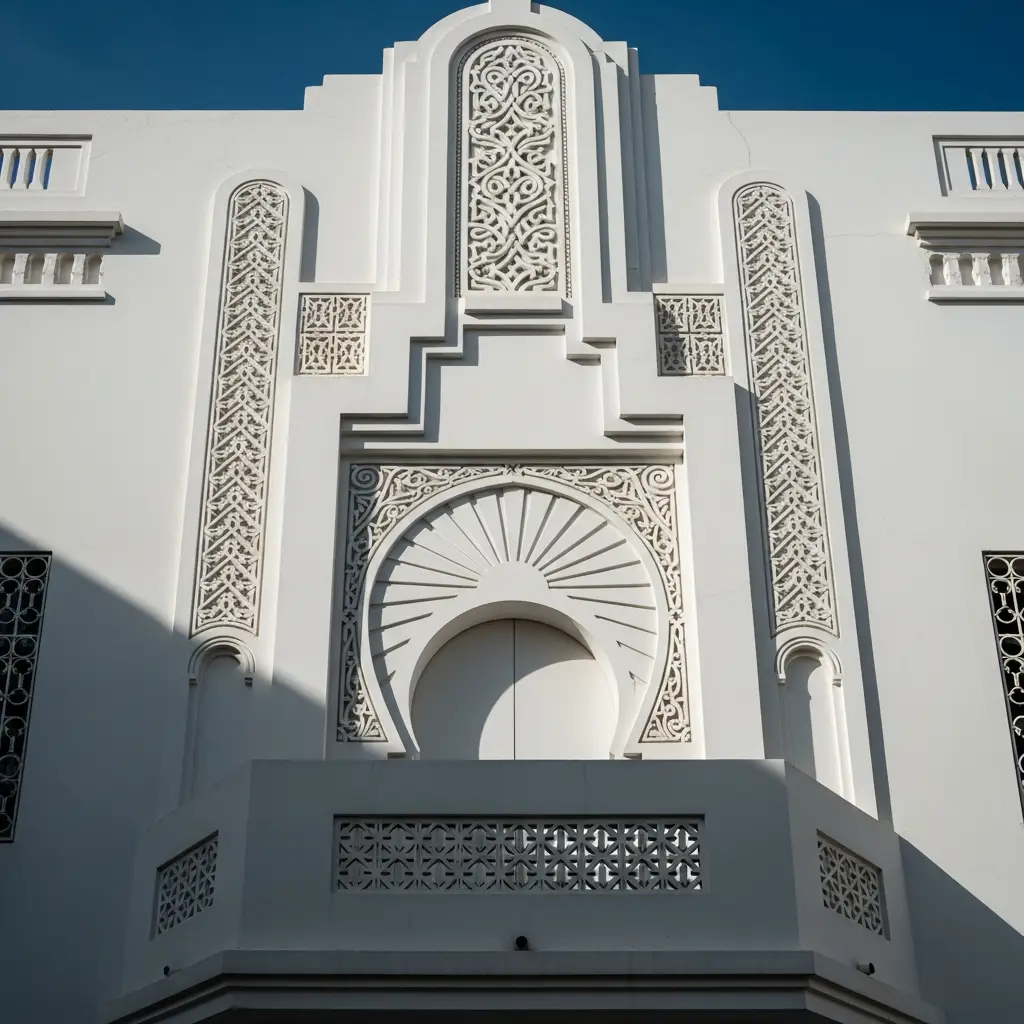
- For anyone planning Casablanca travel, the city offers a masterclass in architectural fusion.
- Casablanca is a living museum of 20th-century design. The city’s Ville Nouvelle (New City), developed under the French Protectorate, is a breathtaking ensemble of Art Deco and Art Nouveau buildings. Look closely, and you’ll see many adorned with classic Moroccan motifs like zellige tilework and carved wood.
- Strolling through this area, a UNESCO World Heritage tentative site feels like walking through an open-air gallery of elegant, hybrid artistry.
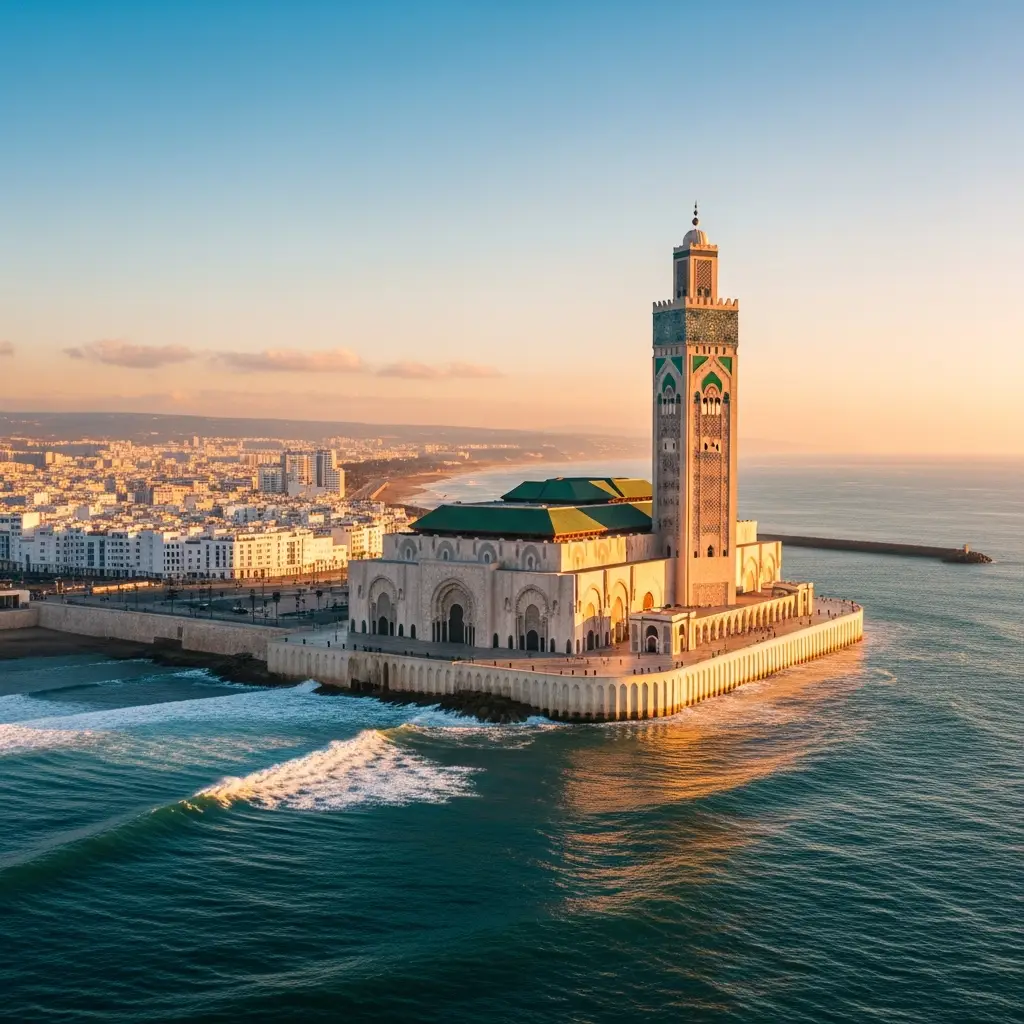
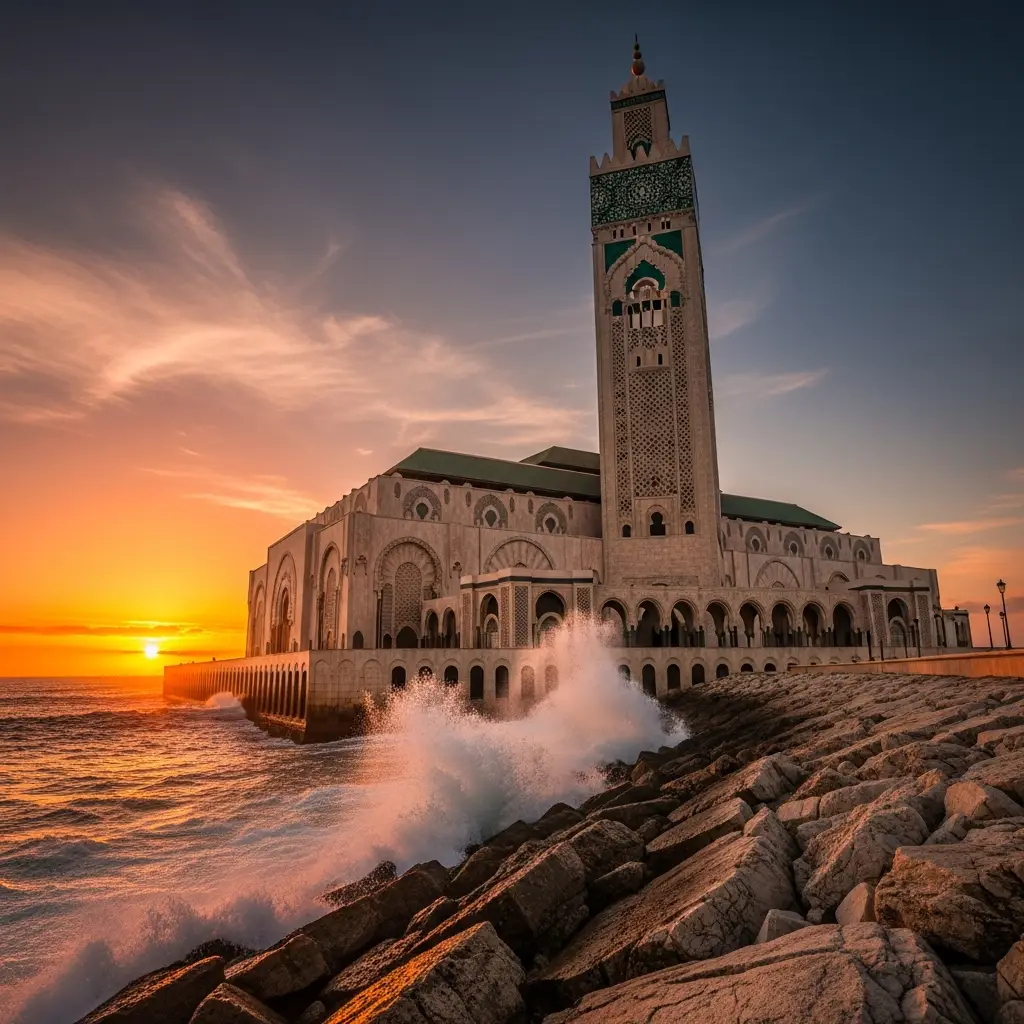
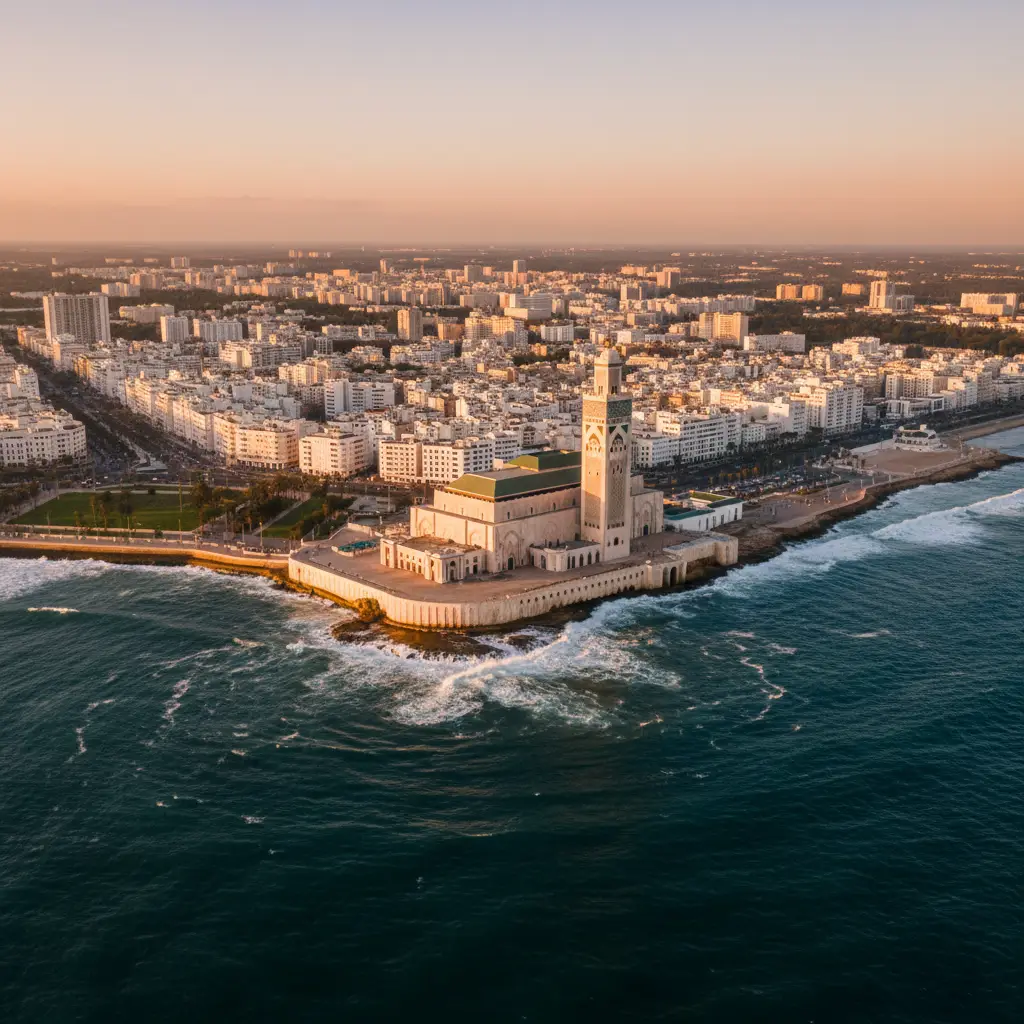
- No guide to Casablanca travel is complete without its iconic spiritual marvel. The Hassan II Mosque is reason alone to visit. Jutting out over the Atlantic Ocean, it is one of the world’s largest and most stunning mosques. Its 210-meter minaret, the world’s second tallest, dominates the skyline. The craftsmanship inside from hand-carved stucco to majestic marble is a profound testament to Moroccan artistry.
- The Authentic, Unvarnished Medina: Unlike the tourist-centric medinas of other cities, Casablanca’s Old Medina feels lived-in and genuine. The souks here cater more to locals, meaning you can wander narrow lanes filled with the scent of spices and fresh bread without constant sales pressure. It’s a quieter, more intimate glimpse into daily life.
- The Pulse of Modern Morocco: Casablanca is where Morocco dreams of the future. It’s the nation’s economic and cultural engine, drawing ambitious young people from across the country. To experience contemporary Moroccan culture from innovative cuisine and art scenes to fashion and business this is the essential destination.
Crafting Your Trip: Key Areas to Explore
To understand Casablanca’s duality and craft your perfect Casablanca travel itinerary, structure your exploration around these core districts.
1. The Corniche & Ain Diab
This is Casablanca’s vibrant playground. The Corniche is a long, lively oceanfront promenade perfect for a sunset stroll.
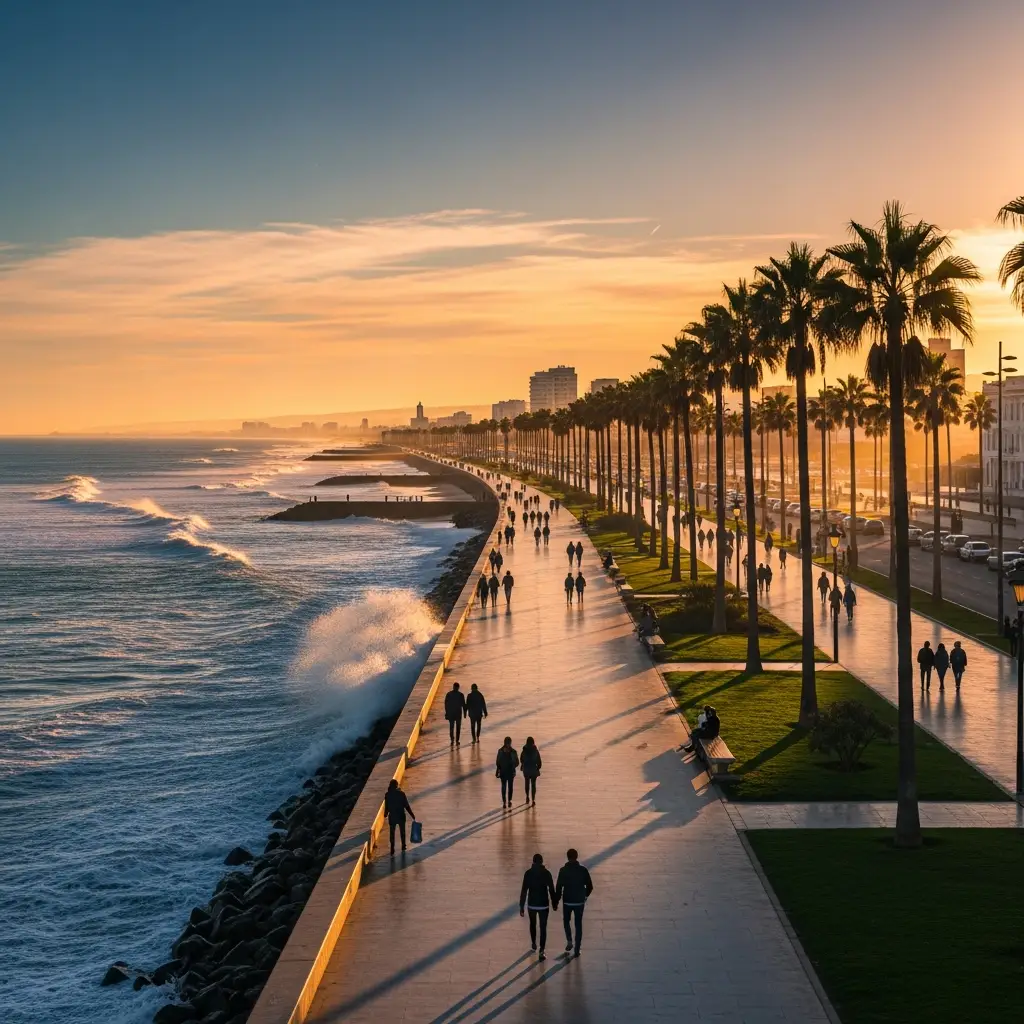
The Ain Diab neighborhood behind it is lined with cafes, seafood restaurants, and clubs. For a memorable experience, join locals for an evening walk, feeling the Atlantic breeze, or enjoy fresh grilled fish at one of the casual eateries. It’s the city’s social heartbeat.
2. The Historic Center & Ville Nouvelle
Centered around Place Mohammed V, this area showcases the city’s administrative heart and its stunning architectural legacy. The surrounding streets are a treasure trove of Art Deco buildings from the 1930s. Don’t miss the adjacent Arab League Park, the city’s oldest green space, for a peaceful respite under its tall palm trees. This district beautifully embodies the planned “garden city” vision of its French designers.
3. The Old Medina & Habous Quarter
For traditional atmosphere, explore two different historic cores.
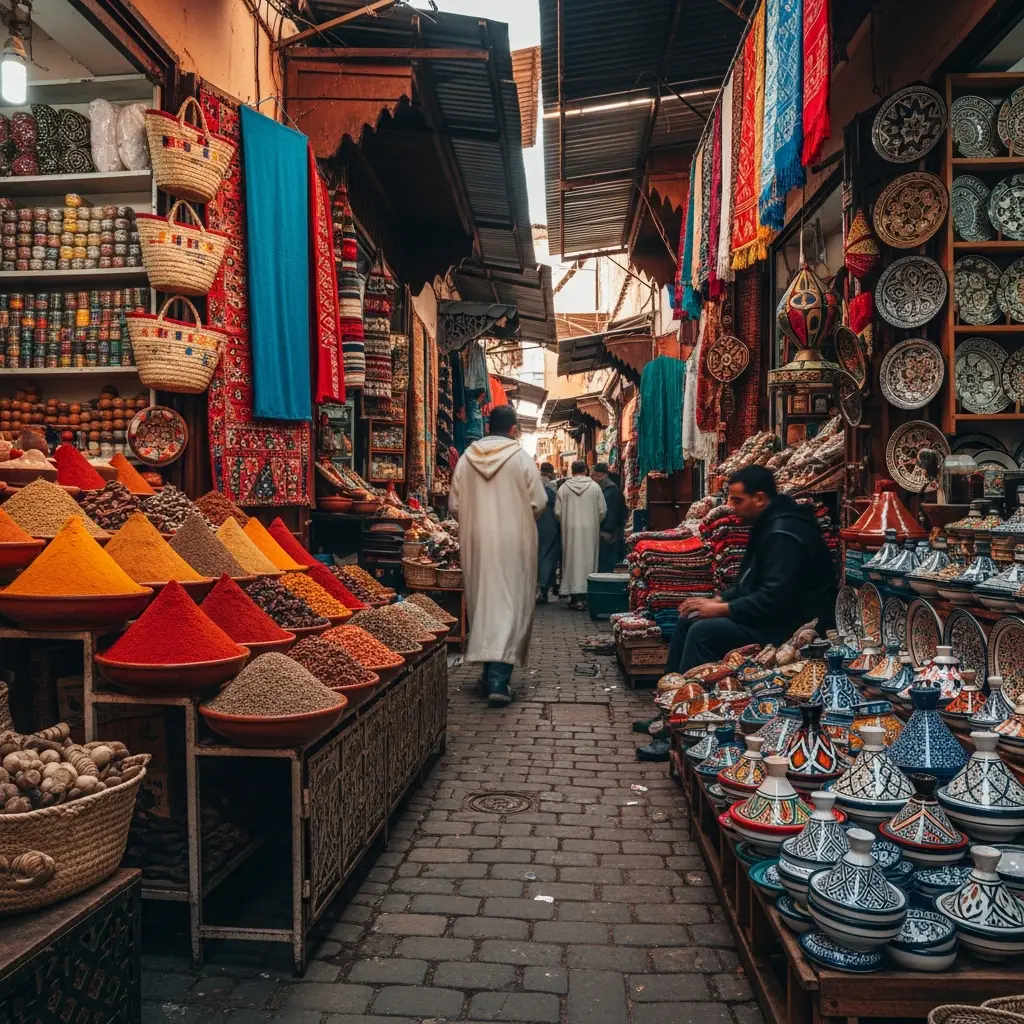
- The Old Medina: The original walled city, dating back centuries, offers a maze of lanes leading to local markets, hidden cafes like the fortress-turned-restaurant La Sqala, and the iconic Clock Tower.
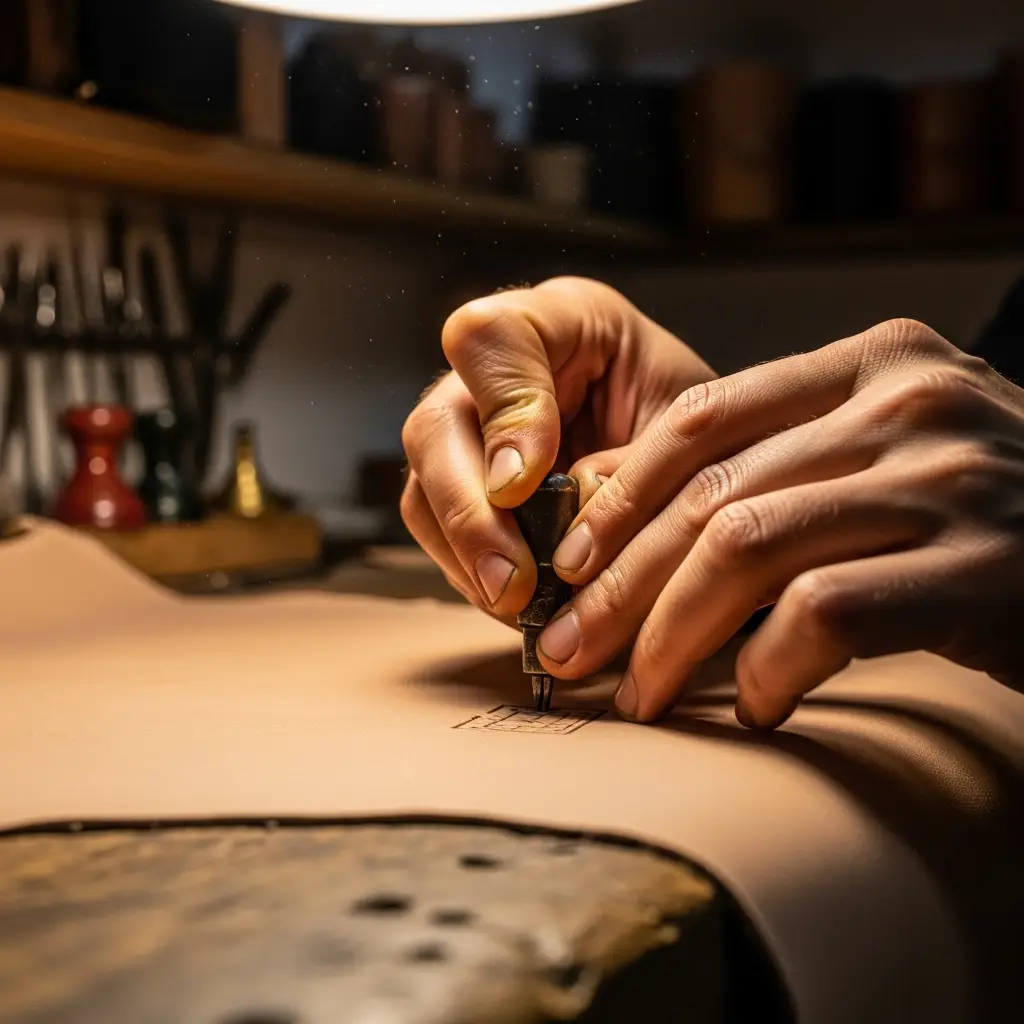
- The Habous Quarter (New Medina): Built by the French in the 1930s, this district was designed to blend modern planning with traditional Moroccan style. Its clean, orderly lanes are filled with artisan shops selling leather goods, ceramics, and traditional garments. It’s also home to the magnificent Mahkama du Pacha, a courthouse with opulent interior courtyards.
4. The Hassan II Mosque & Surrounds
The mosque deserves its own category. Allocate a few hours to admire its exterior from the expansive plaza and rocky coastline.
Non-Muslims can explore the breathtaking interior and courtyard through guided tours. The area around the mosque has been revitalized, making it pleasant for a longer visit.
Essential Casablanca Travel Tips: Know Before You Go
Getting There & Around:
- From the Airport (CMN): The most efficient and affordable way to reach the city center is by train. The station is beneath Terminal 1, with trains running to Casa-Voyageurs and Casa-Port stations approximately every hour; the journey takes about 45 minutes. Grand taxis are a pricier alternative.
- Public Transit: The Casa Tramway is clean, efficient, and connects major hubs. Purchase reloadable tickets or passes at station kiosks. For real-time navigation, use the Citymapper app.
- Taxis & Ride-Hailing: Red petit taxis are metered and ideal for short trips; always ensure the driver resets the meter at the start. Uber does not operate, but the regional app Careem is widely used. A 50% surcharge applies to petit taxis after sunset.
Best Time to Visit:
Casablanca enjoys a mild coastal climate year-round.
- High Season (July-August): Warmest and driest months, perfect for beach visits, with average highs around 82°F (28°C). This is peak tourist time.
- Shoulder Seasons (April-June, Sept-Oct): Arguably the best time for Casablanca travel. You’ll find pleasant temperatures (low to mid-70s °F / low 20s °C) and fewer crowds.
- Low Season (Nov-March): Cooler and rainier, with January highs around 68°F (20°C). You’ll experience the city like a local, but pack a rain jacket and warm layers.
Cultural Tips:
- Dress Code: While cosmopolitan, modest dress is respectful. When visiting mosques (specifically the Hassan II Mosque during tour hours), shoulders and knees should be covered.
- Language: Arabic and French are dominant. Learning basic French phrases (“bonjour,” “merci”) is very helpful, as English is not universally spoken.
- Money: The Moroccan Dirham (MAD) is a closed currency. Exchange money at banks or official bureaus, and carry small bills for markets and taxis. ATMs are widely available.
Sample Itineraries for Casablanca Travel
Table: Casablanca Itinerary Overview
| Trip Length | Focus | Key Highlights |
|---|---|---|
| 7 Days | Morocco‘s Imperial Cities + Casablanca | Casablanca (1 day), Rabat, Fez, Marrakesh, Sahara desert day trip |
| 10 Days | Coastal & Cultural Deep Dive | Extended time in Casablanca, plus Tangier, Chefchaouen, Essaouira |
| 14 Days | Comprehensive Morocco Journey | Full Casablanca exploration, Atlas Mountains, all imperial cities, desert camping |
The 48-Hour Casablanca Express (Perfect for a Layover)
- Day 1 Morning: Start at the Hassan II Mosque. Tour the interior, then walk along the corniche.
- Day 1 Afternoon: Explore the Old Medina. Get lost in its lanes, find lunch at La Sqala, and see the Clock Tower.
- Day 1 Evening: Experience the sunset and dine along the Corniche in Ain Diab.
- Day 2 Morning: Discover the Habous Quarter (New Medina). Shop for crafts and see the Mahkama du Pacha.
- Day 2 Afternoon: Immerse yourself in the Ville Nouvelle. Admire the Art Deco architecture around Place Mohammed V and relax in Arab League Park.
- Day 2 Evening: Enjoy a farewell dinner in the city center before your departure.
7-Day Morocco Introduction: Casablanca & The Imperial Cities
- Days 1-2: Casablanca (as per the 48-hour guide above).
- Day 3: Train to Rabat (1 hr), visit the Kasbah of the Udayas and Hassan Tower. Overnight in Rabat.
- Days 4-5: Train to Fez (~3.5 hrs). Spend two days exploring the world’s largest medina, tanneries, and madrasas.
- Days 6-7: Travel to Marrakesh (~7 hrs by train or short flight). Dive into Jemaa el-Fnaa square, the Majorelle Garden, and souks before flying out.
10-Day Atlantic Coast & Culture Journey
- Days 1-3: In-depth exploration of Casablanca, including a day trip to the artistic town of El Jadida.
- Day 4: Train north to Rabat for a day of sightseeing.
- Days 5-6: Continue to Tangier (~2.5 hrs by train). Explore the cave of Hercules and the vibrant medina.
- Day 7: Day trip to the stunning blue-washed city of Chefchaouen in the Rif Mountains.
- Days 8-10: Fly or take a grand taxi south to Essaouira (via Casablanca). Unwind in this fortified coastal city known for its wind, art, and fresh seafood before flying home.
Packing List for Casablanca Travel
- Clothing: Light, breathable layers for summer; a warm jacket, sweater, and scarf for winter. A modest outfit (covering shoulders and knees) is essential for mosque visits. A sturdy pair of walking shoes is non-negotiable for medina exploration.
- Essentials: Universal power adapter (Type C/E), sunscreen, hat, and sunglasses. A reusable water bottle is handy.
- Tech: Download offline maps and the Citymapper, Careem, and Google Translate apps before arrival.
- Health: Pack basic medications, as specific brands may differ. Hand sanitizer is useful for market days.
The White City Awaits
This is the true lesson of Casablanca travel: authenticity isn’t just about preserved history; it’s about the vibrant, complex present. It’s in the hum of a tram moving past Art Deco facades, the call to prayer echoing over the Atlantic, and the warm, direct gaze of a shopkeeper in the medina. This is a city that confidently owns its identity as Morocco’s modern heart. Don’t just pass through let Casa reveal its layered story to you.

Ready to plan your own Moroccan adventure? Find more detailed guides, insider tips, and traveler stories for destinations across the country on my blog at letsgosarah.com.
Frequently Asked Questions (FAQs)
Absolutely worth visiting. While it serves as a major travel hub, dismissing it means missing a crucial part of the Moroccan experience. Casablanca offers unparalleled architecture, a spectacular coastline, and the vibrant energy of contemporary Moroccan life. A 2-3 day stay is ideal to appreciate its unique flavor.
Yes. While it is a functioning mosque, it is one of the few in Morocco open to non-Muslim visitors through guided tours. Tours run at specific times (usually several per day, except Friday mornings). Tickets can be purchased on-site at the mosque’s ticket office. Modest dress is required.
Casablanca is generally safe for tourists. As in any major city, practice common sense: be aware of your surroundings in crowded areas, don’t flash valuables, use official taxis or ride-hailing apps like Careem, and avoid poorly lit streets at night. Petty crime like pickpocketing can occur in medinas and markets.
Casablanca is generally safe for tourists. As in any major city, practice common sense: be aware of your surroundings in crowded areas, don’t flash valuables, use official taxis or ride-hailing apps like Careem, and avoid poorly lit streets at night. Petty crime like pickpocketing can occur in medinas and markets.
You must try fresh seafood. The city is famous for it. Head to the port area or the Corniche for restaurants serving grilled fish, fried calamari, and seafood pastillas. Also, don’t miss trying a tagine and couscous (typically served on Fridays) at a traditional local restaurant.
It’s manageable. In tourist areas and hotels, basic English is often spoken. Technology is your friend: use translation apps for menus and signs, and navigation apps like Google Maps or Citymapper for transit directions. Learning a few key French phrases (please, thank you, hello, how much) will go a very long way and is appreciated by locals.


One Comment