
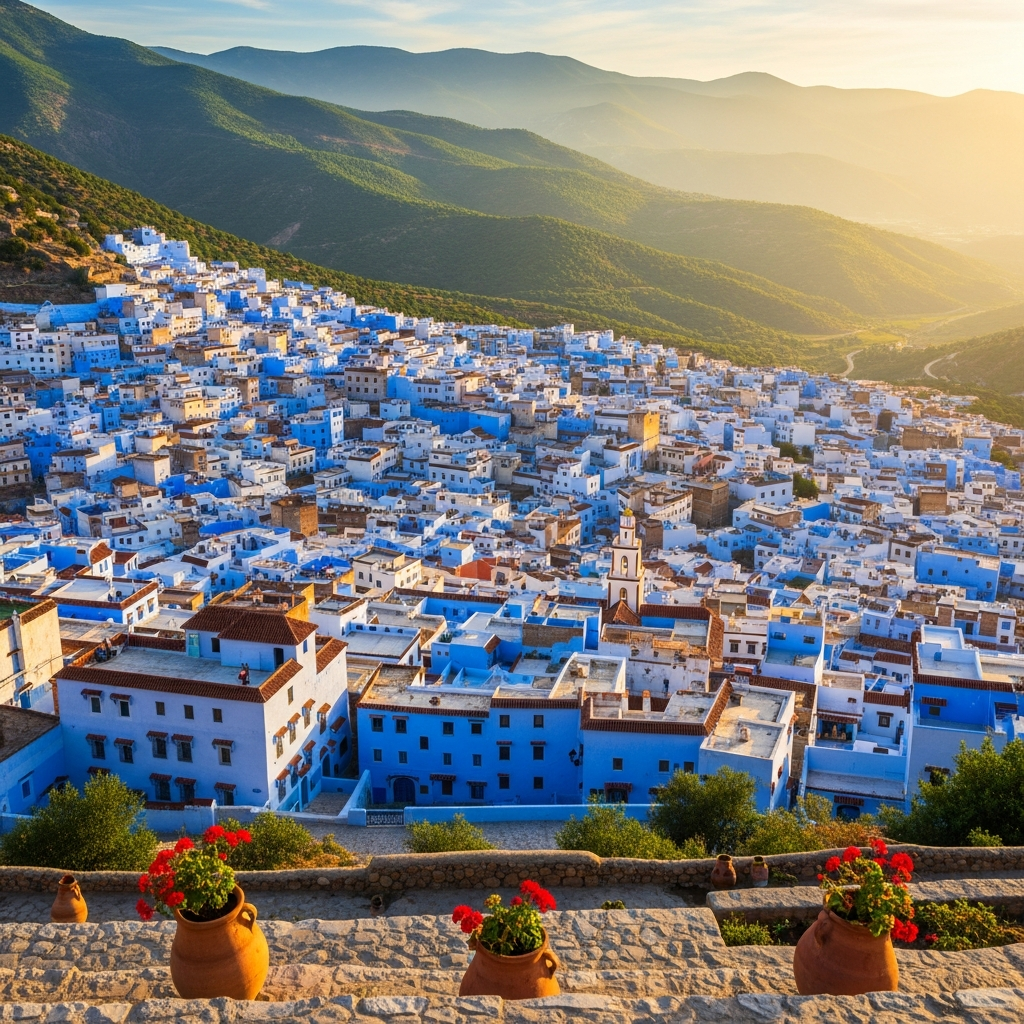
Chefchaouen Travel: Your Complete Guide to Morocco’s Blue City
Can a color be a feeling? My first glimpse of Chefchaouen answered that question. After navigating the dusty roads of the Rif Mountains, I rounded a corner and was met with a cascade of blue cerulean, cobalt, sapphire washing over every wall, stair, and doorway. The midday sun bounced off the paint, filling the air with a cool, luminous glow. In that moment, the journey’s fatigue melted into pure wonder. I wasn’t just visiting a town; I was stepping into a living dream.
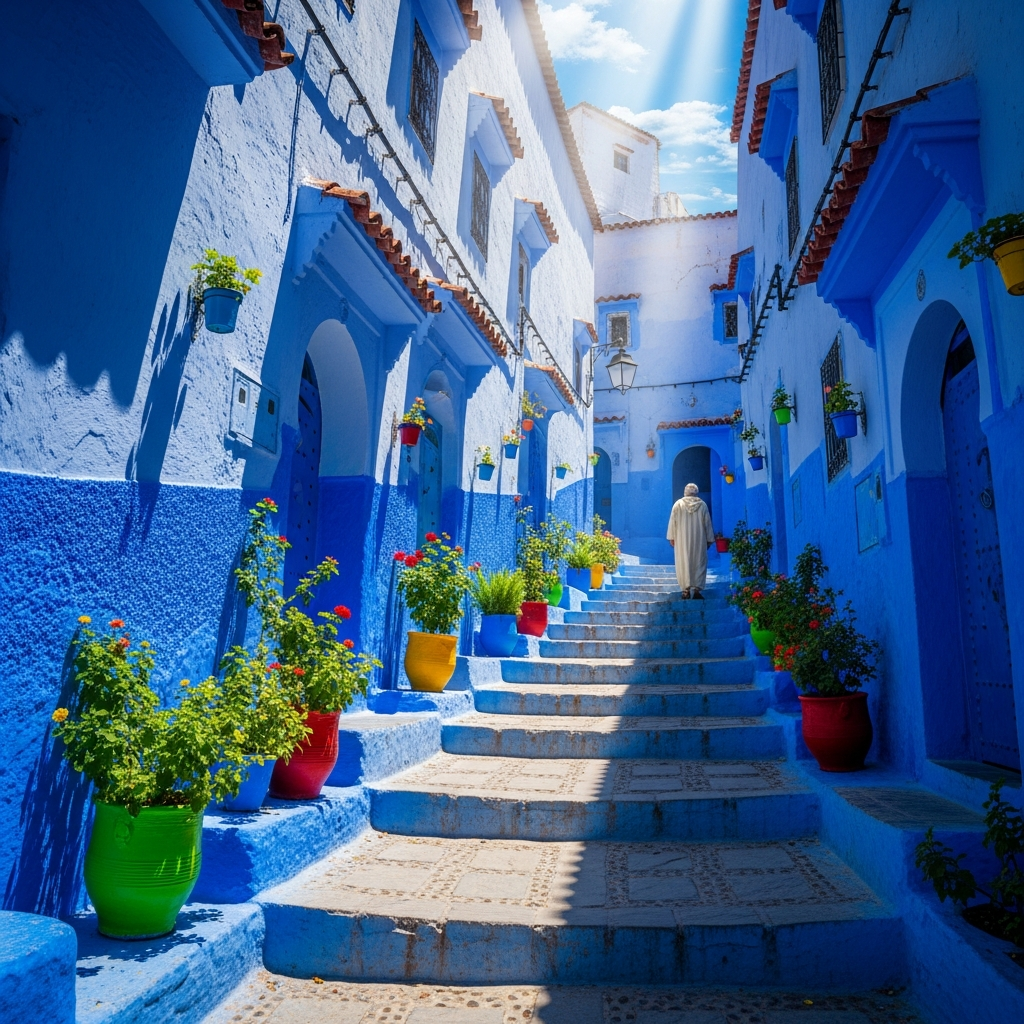
If you’re ready to trade the ordinary for the extraordinary, your Chefchaouen travel story begins here. Let me help you plan it on Let’s Go Sarah.
Table of Contents
Why Chefchaouen Travel is a Sensory Dream
A Photographer’s Paradise and a History Buff’s Puzzle
The number one reason for Chefchaouen travel is, of course, the iconic blue hue. Theories about its origin are as captivating as the color itself. Many believe Jewish refugees painted the city blue in the 15th century as a symbol of the sky and heaven. Others say it helps repel mosquitoes or keeps houses cool.
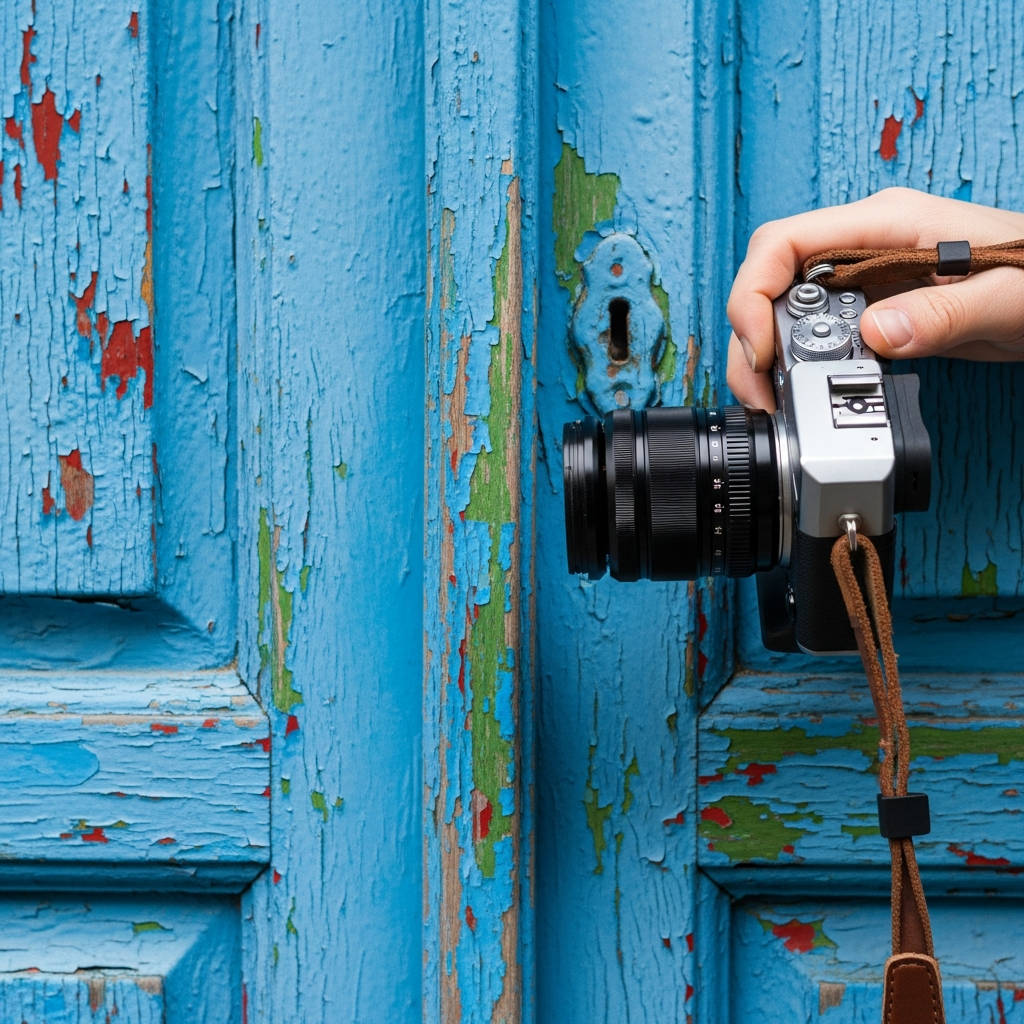
The result is a visually stunning maze where every alley is a potential masterpiece, perfect for your lens and your imagination.
A Gateway to the Rugged Rif Mountains
Unlike Morocco’s imperial cities, Chefchaouen is nestled in the heart of the Rif Mountains. This means your Chefchaouen travel itinerary can seamlessly blend cultural wandering with outdoor adventure. The city is the perfect base for stunning day hikes to emerald waterfalls, natural rock bridges, and through serene national parks.
A Slower, More Peaceful Pace
Travelers often note that Chefchaouen has a more relaxed and friendly vibe compared to the intense medinas of Marrakech or Fes. The hassle is minimal, the atmosphere is laid-back, and it’s known as a safe destination, especially for solo female travelers. It’s a place where you can genuinely unwind, sip mint tea on a rooftop, and just be.
Crafting Your Chefchaouen Travel Adventure: Key Experiences
The Blue Medina: Get Purposefully Lost
The Vibe: A mesmerizing, tranquil labyrinth. It’s a place for slow exploration, where the joy is in the discovery of hidden corners, vibrant doorways, and the daily life unfolding against a blue backdrop.
Must-Do:
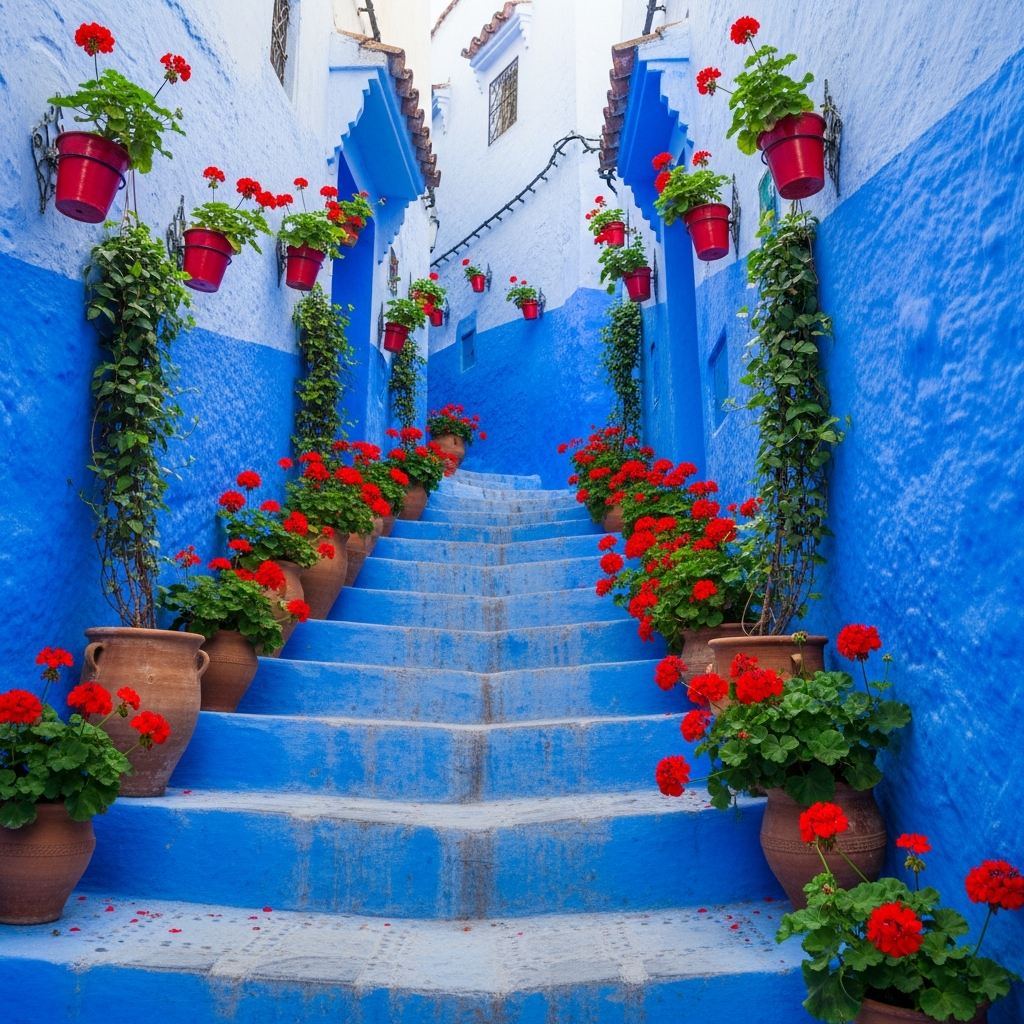
- Wander Without a Map: Put your phone away. Getting lost in the serpentine alleyways is the quintessential Chefchaouen experience. You’ll find quiet courtyards, walls draped with vibrant textiles, and stairways adorned with colorful pots.
- Discover the Photo Hotspots: Seek out famous lanes like Derb El Assri (the “stairway of pots”) and the solid blue alley near the orange juice shop. For a unique, curated shot, visit the “paid setup”—a local’s beautifully decorated courtyard where a small fee (around 5 MAD) supports the family.
- Shop in the Souk: Browse for woven rugs (a regional specialty), leather goods, and aromatic spices. The atmosphere is generally less aggressive than in larger cities, but polite haggling is still expected.
- Visit the Kasbah: Explore this 15th-century fortress in the main square. While the museum inside is modest, climbing the tower for panoramic views over a sea of blue rooftops is worth the entry fee.
Minimum Stay: 2 full days.
Insider Tip: The light for photography is best in the soft hours of early morning or late afternoon. Be respectful; some alleys are private property, and it’s polite to ask before photographing locals.
The Spanish Mosque & Ras El Maa: Iconic Views and Local Life
The Vibe: A blend of gentle adventure and local culture. A short walk from the medina leads you to these two essential spots where you can witness daily life and capture the city’s grandeur.
Must-Do:
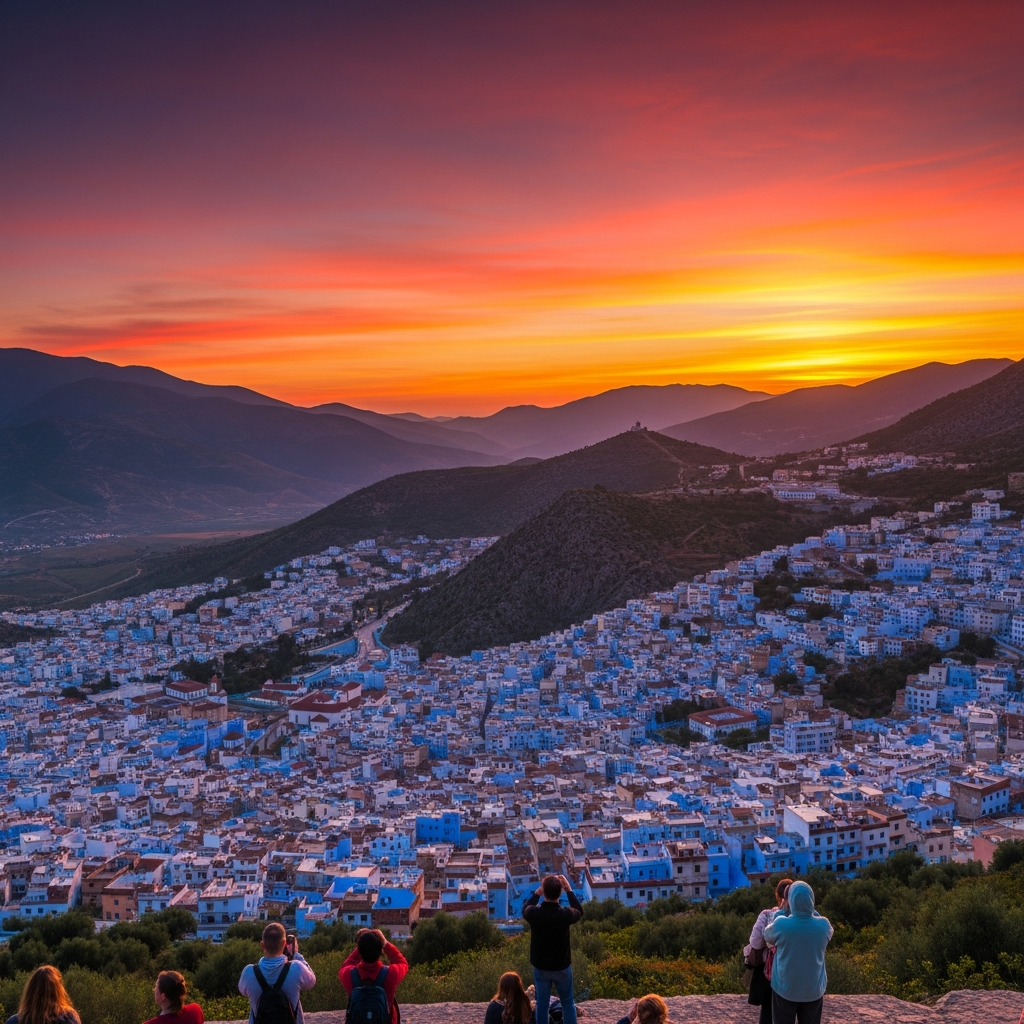
- Hike to the Spanish Mosque for Sunset: The 20-30 minute walk uphill is rewarded with the definitive postcard view of Chefchaouen nestled in the valley. Arrive early to secure a good spot, as it’s a popular sunset pilgrimage.
- Relax at Ras El Maa: Just outside the medina’s east gate, this gentle waterfall is where locals gather to socialize, wash clothes, and cool off. Grab a fresh orange juice from a stall, dip your feet in the cool water, and soak in the scene.
- Explore Place Uta el Hammam: The main square is the heart of the medina. In the evening, it comes alive with the aroma of tagines, the sound of buskers, and families out for a stroll.
Minimum Stay: A half-day.
Practical Tip: The path to the Spanish Mosque is a clear, easy-to-follow trail. You don’t need a guide, just comfortable shoes.
Day Trip Horizons: Waterfalls and Mountain Trails
The Vibe: Dramatic natural beauty. Trading blue walls for green valleys and rushing water offers the perfect contrast to your medina days.
Must-Do:
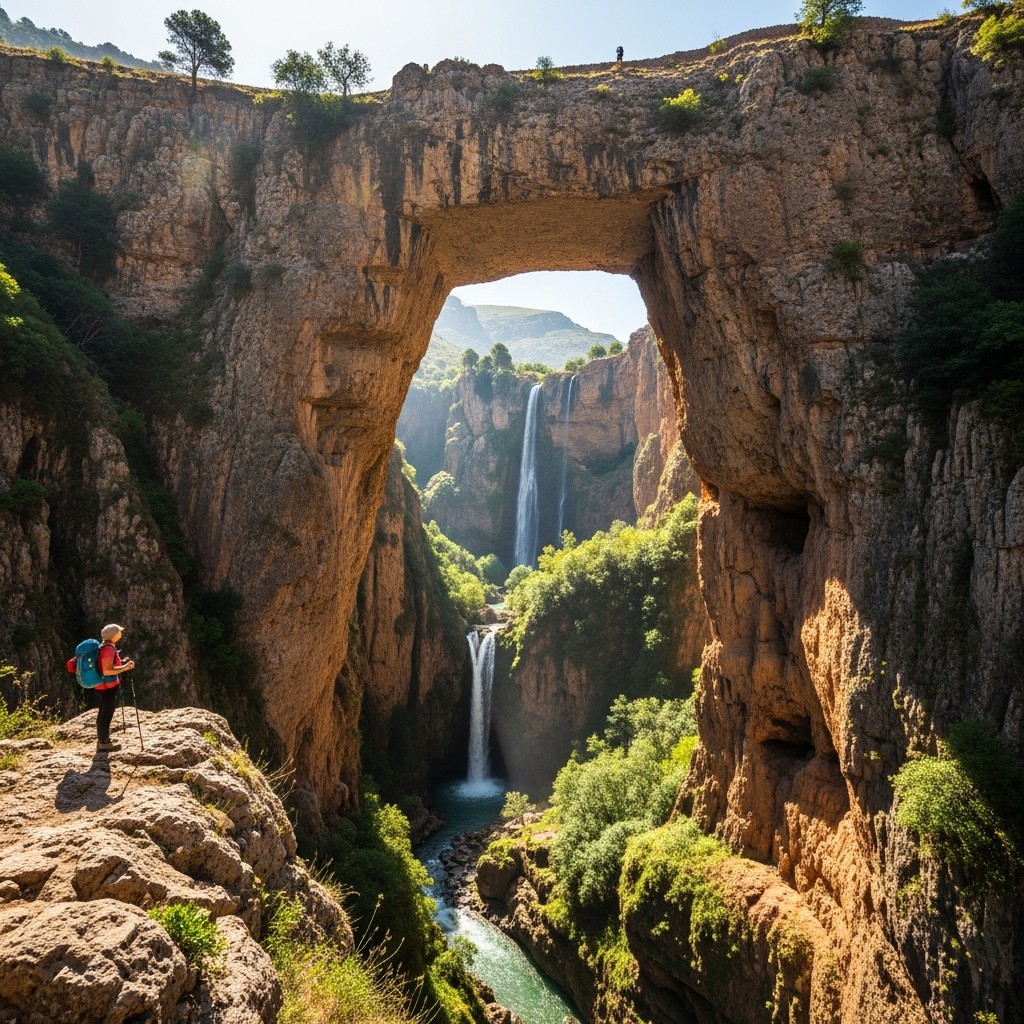
- Hike to Akchour Waterfalls & God’s Bridge: This is the premier day trip. A 45-minute drive leads to trailheads for hikes to stunning emerald pools, cascading waterfalls, and the breathtaking natural stone arch known as God’s Bridge (Pont de Dieu).
- Explore Talassemtane National Park: For serious hikers, this park offers extensive trails through cedar and pine forests, with opportunities for birdwatching and visiting remote villages.
Minimum Stay: A full day.
Practical Tip: The easiest way to visit Akchour is to hire a grand taxi for the day through your hotel or at the main taxi stand. Agree on the round-trip price beforehand.
Chefchaouen Travel Essentials: Know Before You Go
Getting There and Around
- Arrival: There is no airport or train station in Chefchaouen. You’ll likely fly into Fes (FES) or Tangier (TNG) and take a bus or private transfer. The comfortable CTM bus from Fes takes about 4 hours; from Tangier, it’s about 2.5 hours. You can book tickets online in advance.
- Getting Around: The entire medina and main sights are entirely walkable. You’ll only need a taxi from the bus station to your accommodation or for arranged day trips.
When to Visit
- Best Times: Spring (March-May) and Autumn (September-November) offer mild, pleasant temperatures perfect for exploring and hiking.
- Summer (June-August): Can be quite hot and busy, but the mountain location keeps it cooler than inland cities. It’s a popular time, so book accommodation early.
- Winter (December-February): Chilly and potentially rainy, but you’ll find fewer crowds and lower prices. The surrounding mountain peaks may be dusted with snow, creating a magical scene.
Money & Costs
Currency: Moroccan Dirham (MAD). Cash is essential in the medina for small purchases, taxis, and market stalls.
- Budget (€40-60/day): Dorm bed in a hostel, street food and local cafes, self-guided exploration.
- Mid-Range (€80-120/day): Private room in a charming guesthouse (riad), meals at restaurants, a guided day trip or taxi to Akchour.
Cultural Etiquette and Safety
- Dress Modestly: While Chefchaouen is accustomed to tourists, dressing respectfully (covering shoulders and knees) is appreciated.
- Photography: Always ask for permission before taking photos of people. Be aware that some picturesque alleys are private, and residents may ask for a small fee.
- Safety: Chefchaouen is considered very safe. Standard precautions against pickpockets in crowded areas apply, but the overall atmosphere is calm and welcoming.
Your Perfect Chefchaouen Travel Itinerary
| Itinerary | Duration | Focus | Best For |
|---|---|---|---|
| The Blue City Immersion | 3 Days, 2 Nights | Medina, Spanish Mosque, Local Vibe | A perfect add-on from Fes or Tangier. |
| The Culture & Nature Blend | 4-5 Days, 3-4 Nights | All of the above, plus a day trip to Akchour | Travelers wanting the full Chefchaouen experience. |
| The Northern Morocco Explorer | 7+ Days | Combining Chefchaouen with Tangier, Fes, and the coast. | Those building a comprehensive northern route. |
Find and book the best riads and local experiences for these itineraries on Let’s Go Sarah.
Chefchaouen Travel Packing List: The Essentials
- Comfortable Walking Shoes: The medina is all cobblestones, stairs, and uneven paths.
- Layers for Changing Weather: Evenings in the mountains can be cool, especially outside of summer.
- A Good Camera or Smartphone: You’ll be taking hundreds of photos.
- A Small Daypack: For carrying water, layers, and souvenirs while you wander.
- European (Type C/F) Power Adapter.
- The Quirky Essential: Clothing in Complementary Colors. Wearing whites, creams, yellows, or oranges will make you pop beautifully against the endless blue backdrops.
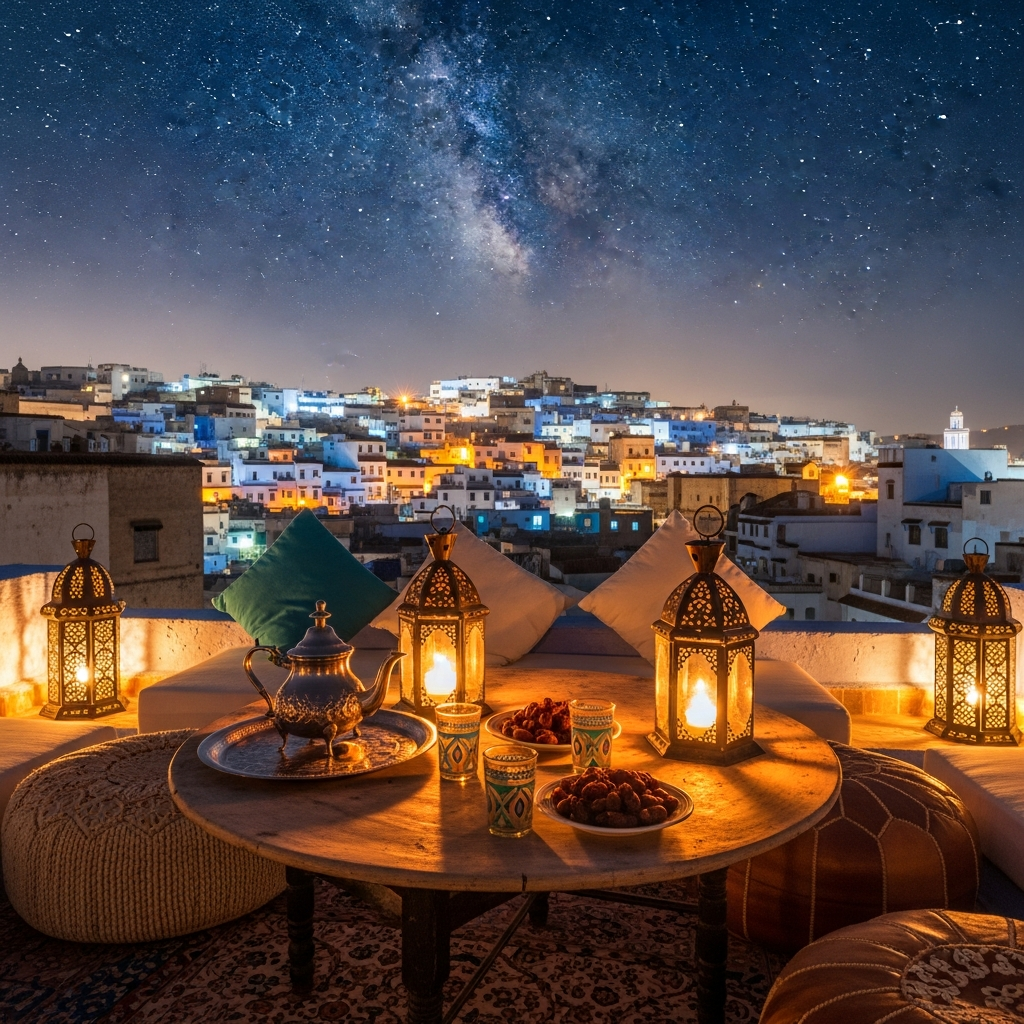
Chefchaouen travel is an exercise in delightful disorientation. It asks you to lose your way in order to find moments of pure beauty—a cat napping on a blue step, the call to prayer echoing through azure canyons, the golden-hour glow transforming the “Blue Pearl” into a “Purple City.” It’s a place that exists between reality and a dream, and it will color your memory long after you’ve left. Ready to step into the blue? Start planning every detail of your journey with more guides and booking tools at Let’s Go Sarah.
Chefchaouen Travel FAQs
It’s possible but exhausting. A day trip involves at least 8 hours of round-trip travel for only 3-4 hours in the city. This only allows for a rushed walk through the medina. To truly soak in the atmosphere, watch the sunset from the Spanish Mosque, and explore at a human pace, staying at least one night is highly recommended.
One Comment