The Enchanting Tetouan: Your Travel Guide to Morocco’s Andalusian Gem
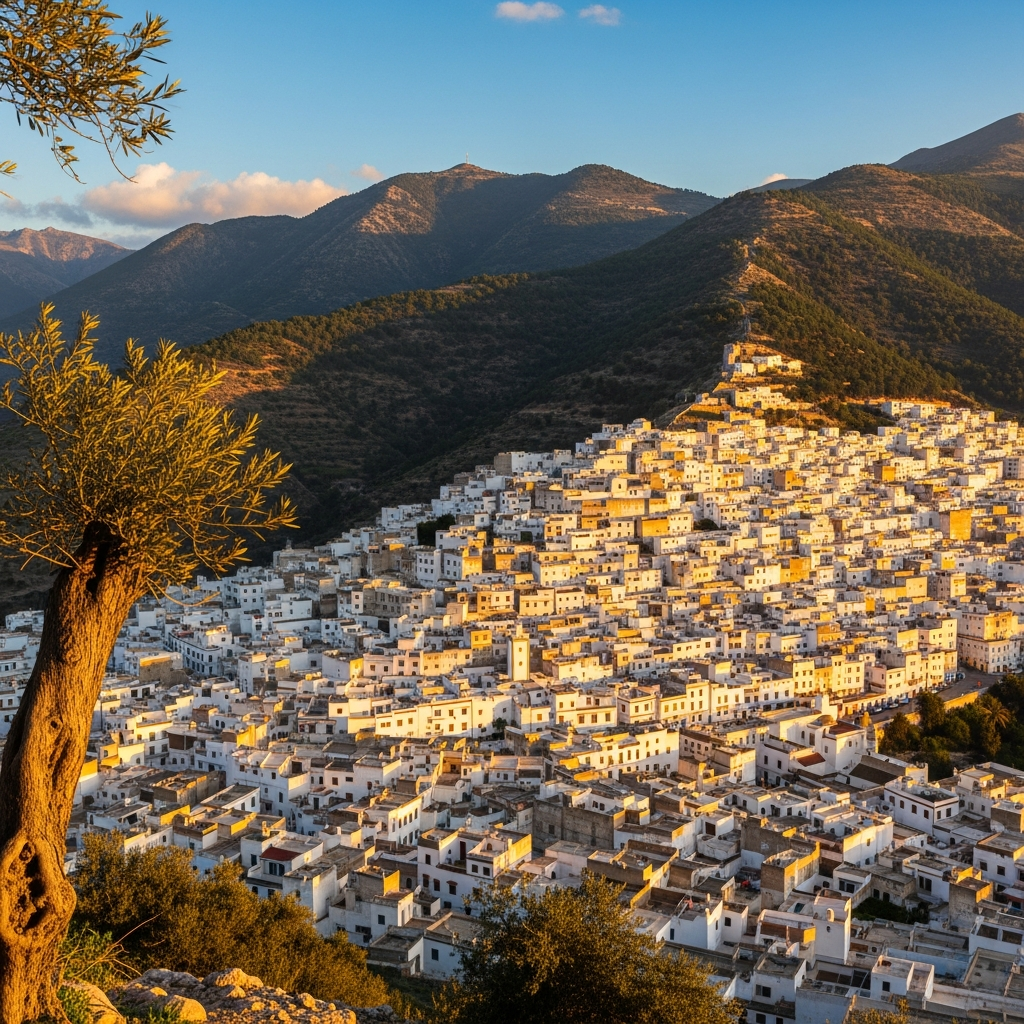
Can a city feel like a secret? My first morning in Tetouan did. Unlike the tourist trails of Fez or Chefchaouen, Tetouan hummed with a quiet authenticity. I sipped coffee in a tiled café off Place Hassan II, watching locals gather. The morning sun hit the whitewashed walls of the medina, making them glow against the dramatic backdrop of the Rif Mountains.
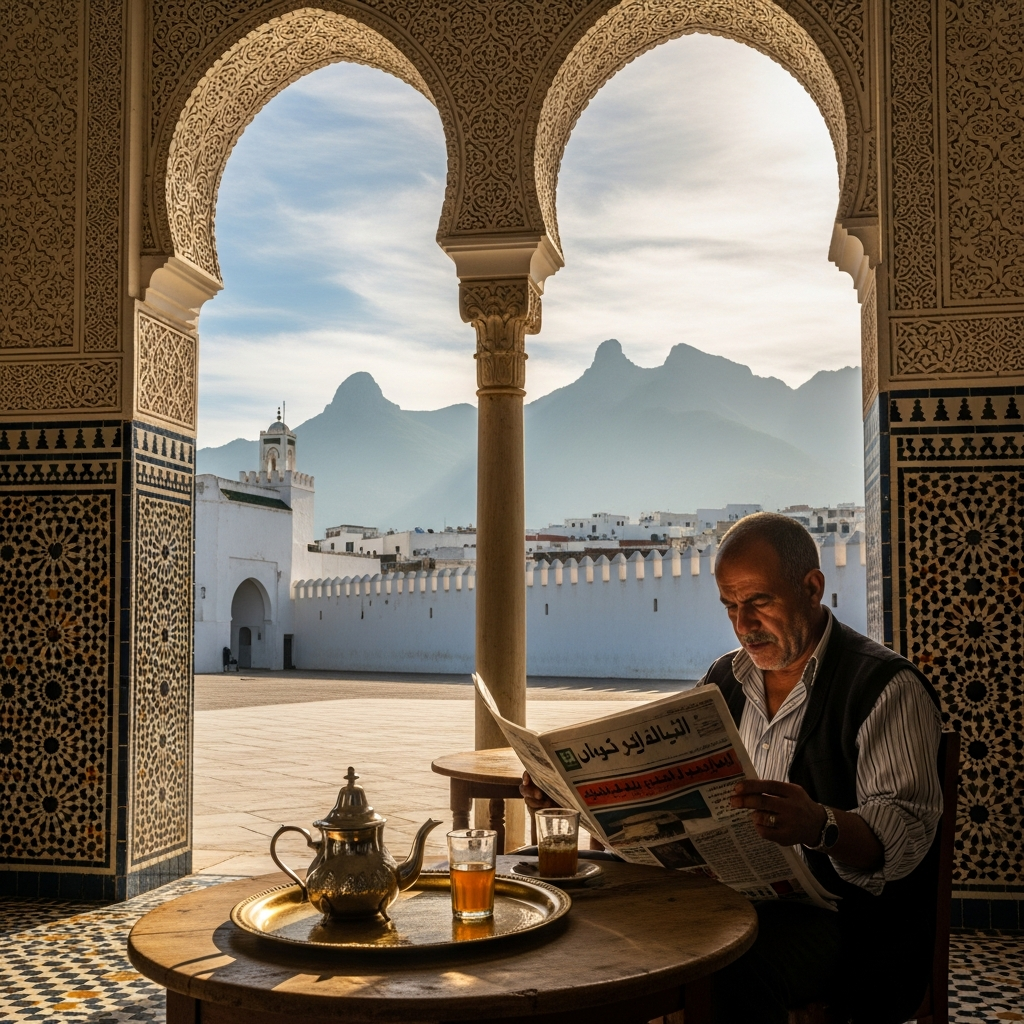
Here, the famous “White Dove” of Morocco felt less like a museum and more like a living, breathing home. If you’re seeking a cultural journey untouched by mass tourism, your Tetouan travel adventure begins. Let me guide you on Let’s Go Sarah.
Table of Contents
Why Tetouan Travel is a Cultural Immersion
A UNESCO-Listed Medina with Andalusian Soul
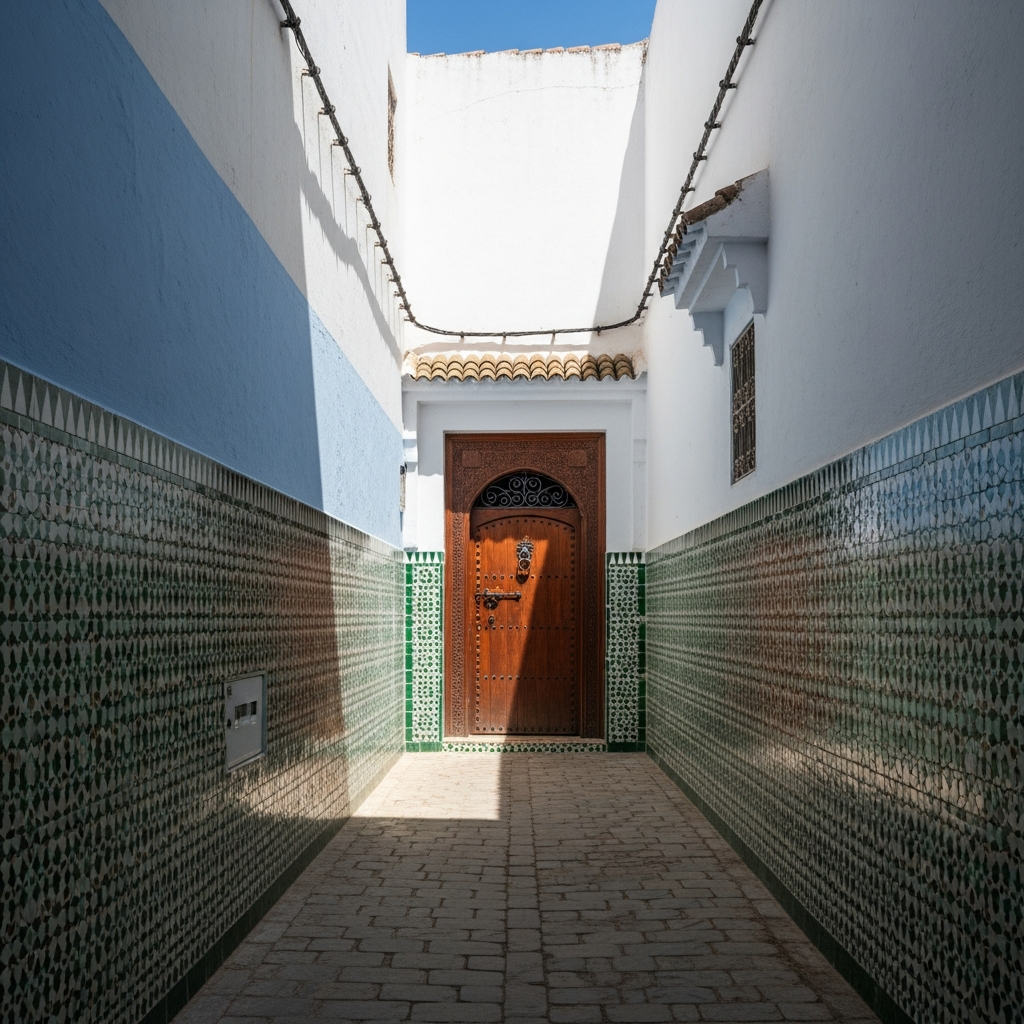
The heart of Tetouan travel is its medina, a UNESCO World Heritage site. Unlike others, its architecture and arts were heavily shaped by Muslim and Jewish refugees from 15th-century Andalusia (Spain). Wandering its streets feels like stepping into a living museum of Hispano-Moorish art, with intricate tile work, carved wood, and wrought iron that whispers of Granada and Córdoba.
A Hub of Authentic Moroccan Arts & Crafts
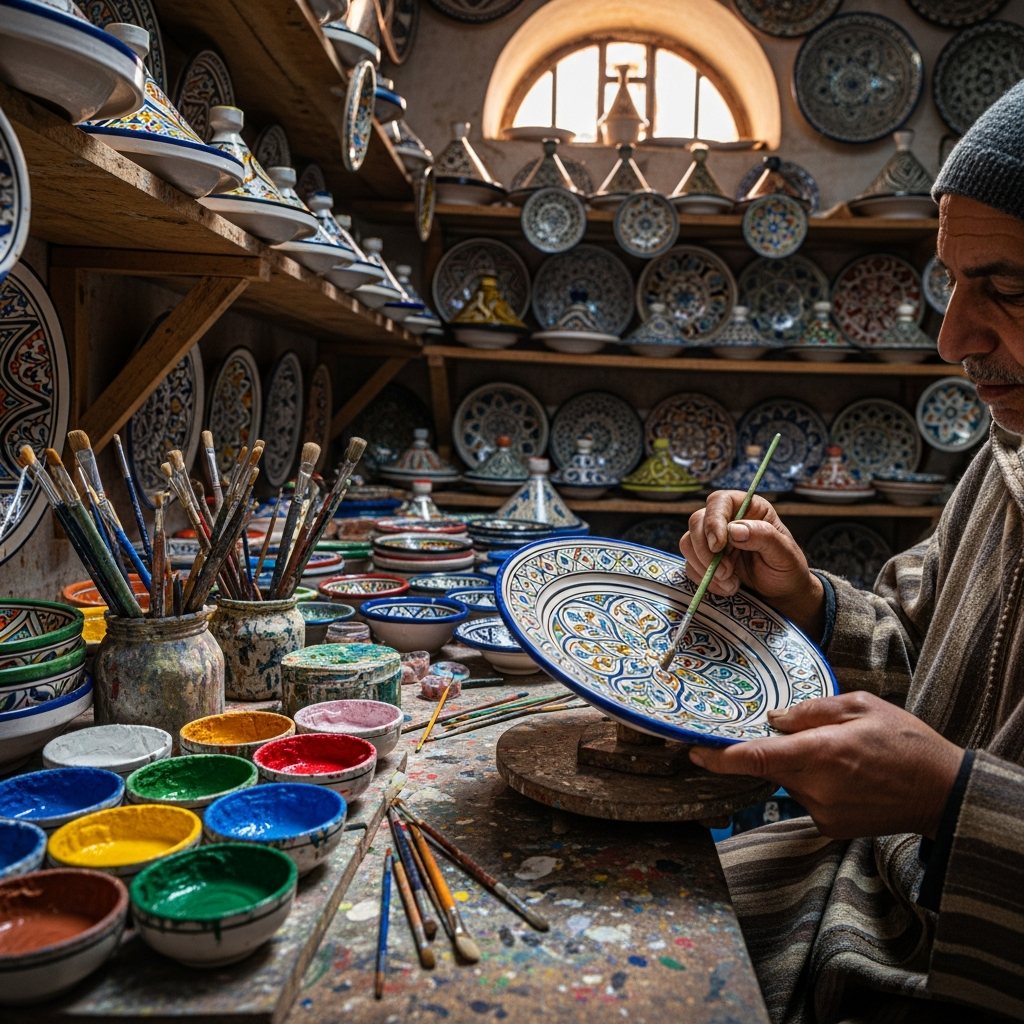
Tetouan is renowned as a center for traditional craftsmanship. The medina isn’t just for sightseeing; it’s a working artisan quarter. You’ll hear the tap of metalworkers, see weavers at their looms, and find some of Morocco’s finest ceramics and embroidered textiles. For a cultural traveler, it’s a place to witness and purchase art directly from the source.
The Perfect Blend of Mountain and Mediterranean
Tetouan offers a unique geographical advantage. The Rif Mountains cradle the city, offering stunning hikes and fresh air. Meanwhile, the vibrant Mediterranean coast and the modern Spanish enclave of Ceuta are just a short drive away. This blend lets you craft a diverse Tetouan travel itinerary spanning history, nature, and sea.
Crafting Your Tetouan Travel Adventure: Key Areas
The Medina (El Ensanche): The Andalusian Heart
The Vibe: A authentic, living historic center. It’s compact, less crowded, and deeply genuine. The vibe is one of daily life, craftsmanship, and profound history.
Must-Do:
- Enter through Bab Tout: Start at the main, ornate gate and let yourself get lost in the labyrinth of white and blue alleyways.
- Visit the Archaeological Museum: Housed in a beautiful former fortress, it offers context with artifacts from nearby Roman ruins at Lixus and Tamuda.
- Discover the Craft Souks: Seek out specific areas: the Souk El Houts (woodworkers), Souk El Foki (jewelers and embroidery), and the Kissariat (cloth merchants).
- See the Royal Palace & Grand Mosque: Admire the impressive exterior of the palace and the beautiful minaret of the Grand Mosque on Place Hassan II.
Minimum Stay: 2 full days.
Insider Tip: Hiring a licensed local guide for your first hour is invaluable. They can explain the medina’s unique history and take you to authentic artisan workshops you’d likely miss alone.
The Ensanche (New City): Spanish Colonial Grandeur
The Vibe: A striking contrast. Built during the Spanish Protectorate (1912-1956), this area features wide, tree-lined boulevards, elegant Art Deco and Neo-Moorish buildings, and a palpable European café culture.
Must-Do:
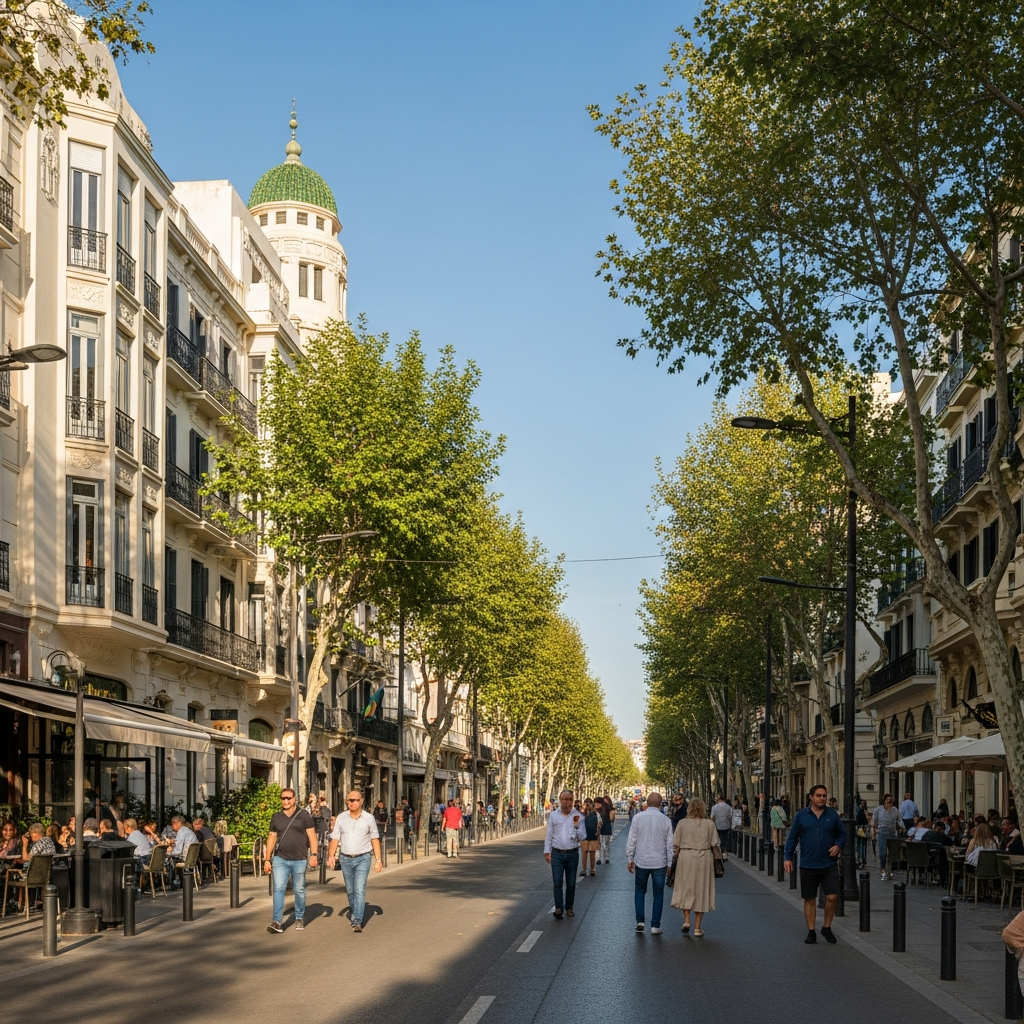
- Stroll Calle Mohammed V: This is the main promenade. Admire the architecture, stop at the Cine Español, and enjoy a coffee at a terrace café.
- Visit the School of Arts and Crafts: See where traditional skills like zellij (tilework) and woodcarving are taught to a new generation.
- Relax in the Municipal Park (Jardín de la Alameda): A green, tranquil escape perfect for people-watching.
- Shop for Modern Goods: This is the place for pharmacies, bookstores, and contemporary shopping.
Minimum Stay: Half a day.
Insider Tip: The Ensanche is flat and easy to navigate. It’s the perfect place to base yourself if you prefer more spacious accommodation and modern amenities, as it’s a short walk to the medina.
Day Trip Horizons: Mountains, Coast & Neighboring Cities
The Vibe: Diverse landscapes and cultural excursions. Tetouan’s location makes it an ideal hub.
Must-Do:
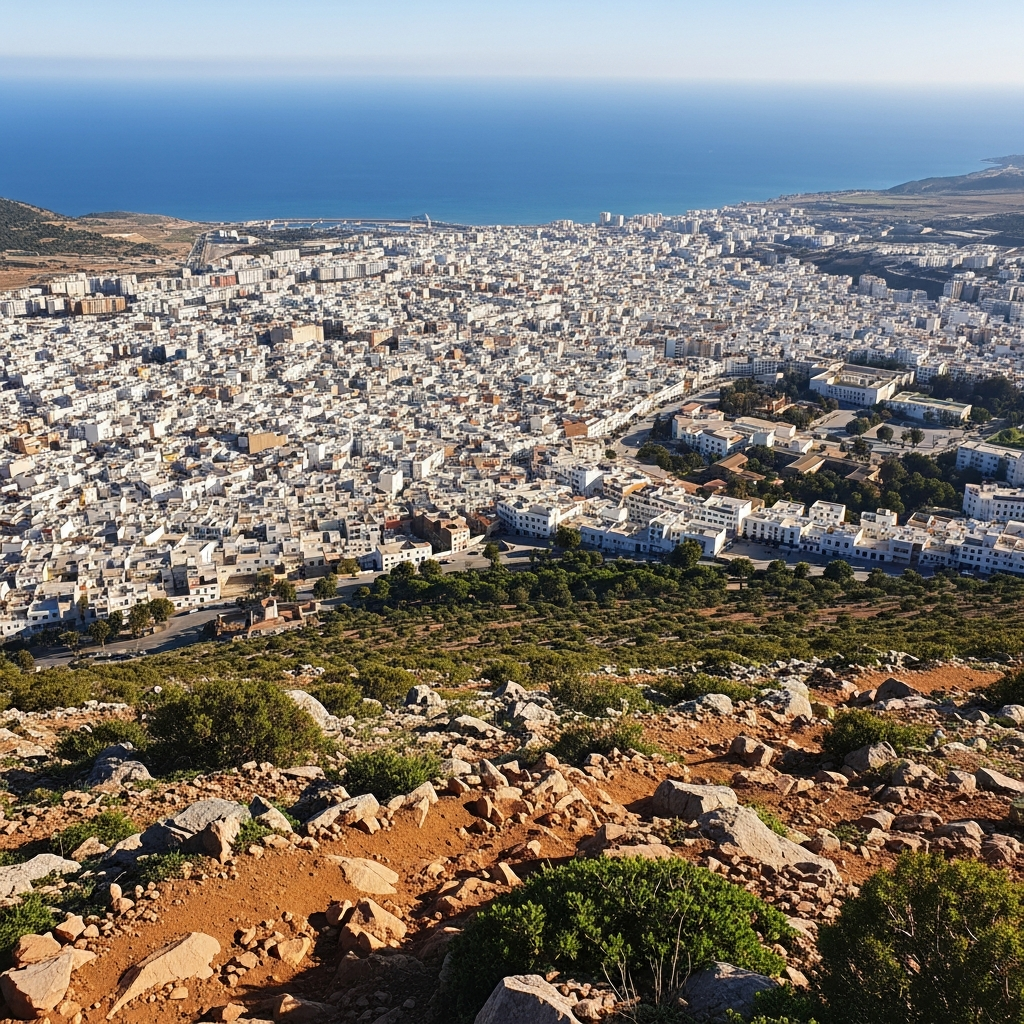
- Hike in the Rif Mountains (Jbel Dersa): Access trails directly from the city’s edge for stunning views over Tetouan and the Mediterranean.
- Beach Day at Martil or Cabo Negro: Drive 15 minutes to the coast. Martil is a bustling fishing port and beach town. Cabo Negro is a more upscale resort area.
- Cultural Excursion to Chefchaouen: The famous Blue City is just a 1.5-hour drive through breathtaking mountain roads.
- Visit the Spanish Enclave of Ceuta: A unique experience. A 45-minute drive and border crossing takes you into this Spanish autonomous city on the African coast.
Minimum Stay: 1-3 days for trips.
Insider Tip: For Ceuta, ensure you have multiple-entry Moroccan visa eligibility or a Schengen visa. For mountain hikes, a local guide ensures safety and shows you the best paths.
Tetouan Travel Essentials: Know Before You Go
Getting There and Around
- Arrival: The nearest airport is Tangier Ibn Battouta (TNG), about a 1-hour drive. Buses from Tangier, Chefchaouen, and Casablanca are frequent and comfortable. The train station is a few kilometers from the center; a petit taxi is needed for the final leg.
- Getting Around: The medina and Ensanche are highly walkable. Use official blue petit taxis for longer distances; they are metered and inexpensive.
When to Visit
- Best Times: Spring (April-June) and Autumn (September-November) offer ideal, mild temperatures.
- Summer (July-August): Can be hot, but the coastal proximity offers a cool escape. The mountain location also moderates heat.
- Winter (December-March): Cool and potentially rainy, but often sunny. The surrounding mountains may have snow.
Money & Costs
Currency: Moroccan Dirham (MAD). Credit cards accepted in newer hotels and some Ensanche restaurants. Carry cash for the medina.
- Budget (€40-60/day): Basic guesthouse, street food, self-guided exploration.
- Mid-Range (€80-120/day): Comfortable hotel in the Ensanche, restaurant meals, a guided medina tour, taxi trips.
Cultural Etiquette and Safety
- Dress Modestly: This is a conservative, non-touristy city. Covering shoulders and knees is strongly advised, especially in the medina.
- Photography: Be exceptionally discreet. Do not photograph people without explicit permission, especially women. Avoid pointing your camera at military/police installations.
- Safety: Tetouan is very safe in terms of crime. The main challenge is navigating a place with fewer English speakers and less tourist infrastructure.
Your Perfect Tetouan Travel Itinerary
| Itinerary | Duration | Focus | Best For |
|---|---|---|---|
| The Cultural Weekend | 3 Days, 2 Nights | Deep dive into the Medina & Ensanche. | Travelers focused on history and authenticity. |
| The Mountain & City Blend | 4-5 Days | Medina, a Rif Mountain hike, and a beach afternoon. | Those wanting culture with nature/coast. |
| The Northern Hub Explorer | 7+ Days | Using Tetouan as a base for Chefchaouen, Tangier, and Ceuta. | Travelers comprehensively exploring the north. |
Find and book the best local guides and hotels for these trips on Let’s Go Sarah.
Tetouan Travel Packing List: The Essentials
- Comfortable, Closed-Toe Walking Shoes: For cobblestones and mountain paths.
- Modest Clothing: Loose, lightweight fabrics that cover shoulders and knees.
- A Phrasebook or App (Spanish & Arabic): Spanish is widely understood due to history; French and Arabic are primary.
- A Small Daypack: For carrying water, a scarf, and purchases.
- A Good Camera (Used Discreetly): The visual details are stunning.
- The Quirky Essential: A Notebook and Pen. With fewer English signs, jotting down directions and Arabic/Spanish phrases is incredibly helpful.
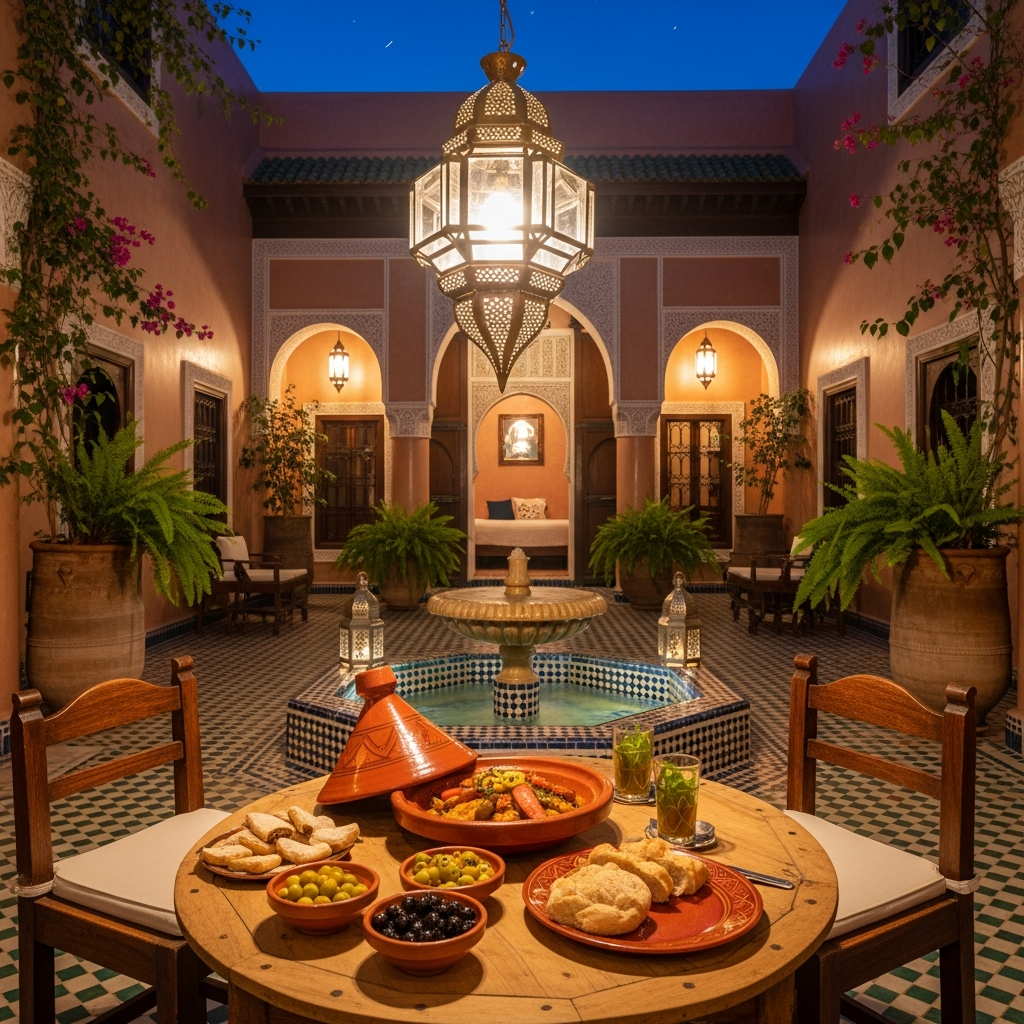
Tetouan travel is for the curious soul. It doesn’t dazzle with instant spectacle but reveals its treasures slowly to those who look closely—the geometry in a tile, the melody of Spanish and Arabic mingling in a market, the view of white walls against green mountains. It offers the profound reward of feeling not like a spectator, but a guest in a real, working, majestic city. If you listen, the “White Dove” has many stories to tell. Ready for an authentic adventure? Dive deeper into planning on Let’s Go Sarah.
Tetouan Travel FAQs
It depends. For untouched authenticity and Andalusian heritage, absolutely. If you seek a more challenging, raw cultural immersion away from tourist crowds, Tetouan is unparalleled. For a more curated, easier “first-time Morocco” experience, Chefchaouen or Fez may be better.
Yes, but it requires more vigilance than typical tourist cities. Dressing very conservatively is essential to avoid unwanted attention. It’s advisable to avoid walking alone in the medina at night and to use reputable guides.
Limited. Spanish and French are the most useful foreign languages due to historical ties. Learning basic Arabic phrases (greetings, thank you) will be greatly appreciated.
Seek out pastela (a savory-sweet poultry pie) with a local twist. Also, try fresh seafood in the Ensanche or coastal Martil, reflecting the Mediterranean proximity.
Yes, from Tangier (1 hr) it’s very feasible for a medina tour and lunch. From Chefchaouen (1.5 hrs), it’s a longer day but possible. However, staying overnight allows you to experience the city’s unique evening atmosphere.